A fish-inspired fuel cell concept could provide a cost-effective alternative to batteries in underwater vehicles.
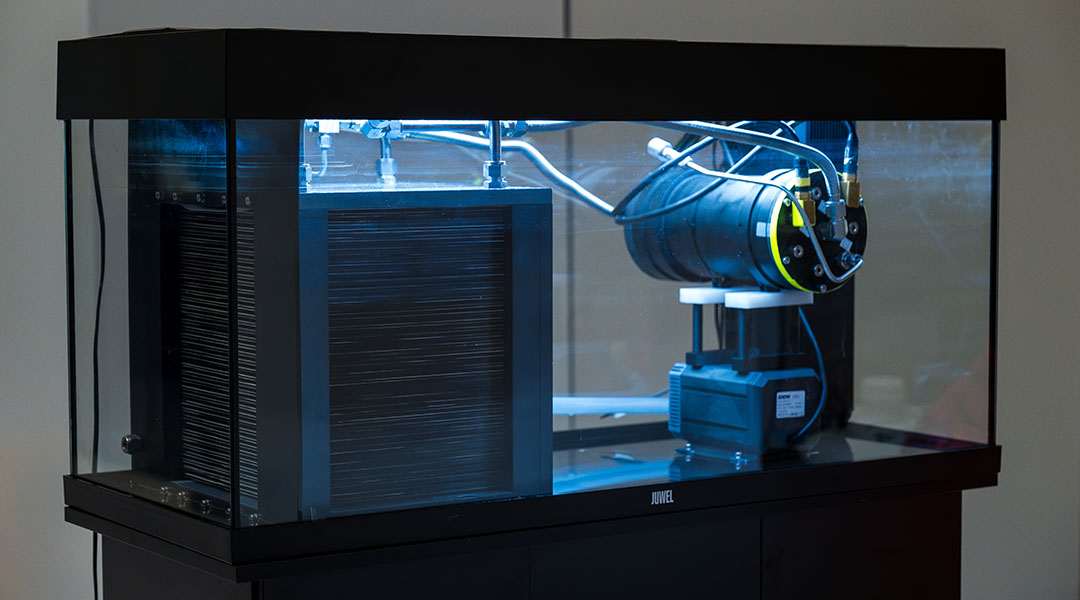

A fish-inspired fuel cell concept could provide a cost-effective alternative to batteries in underwater vehicles.

SLAC scientists created ultra-dense electron beams with five times the peak current, using infrared lasers to unlock new frontiers in physics and materials research.
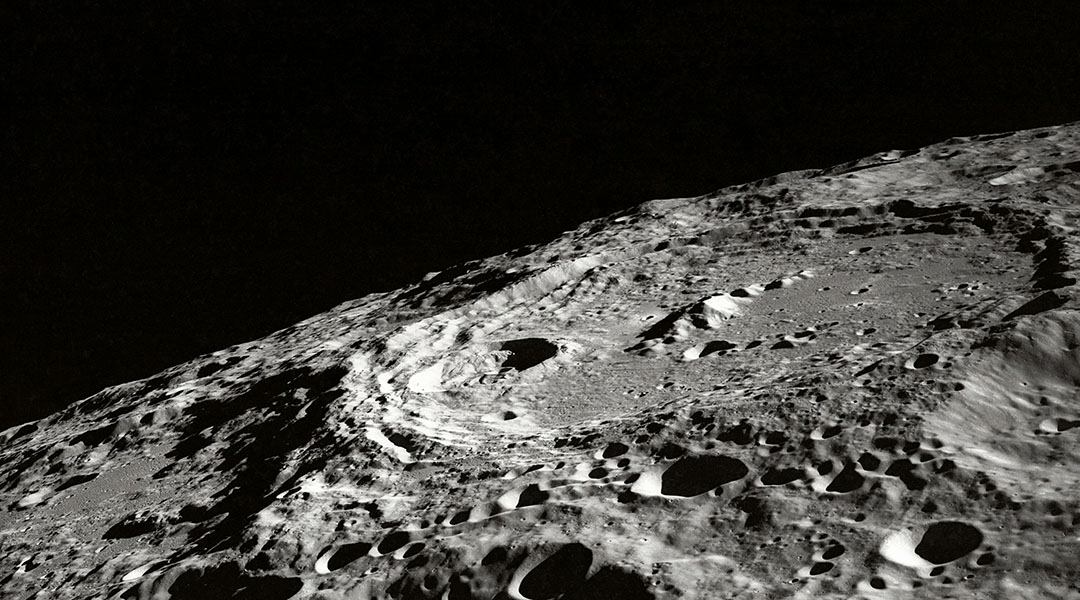
Making solar panels on the Moon could be the solution to reliably providing energy to lunar settlements.
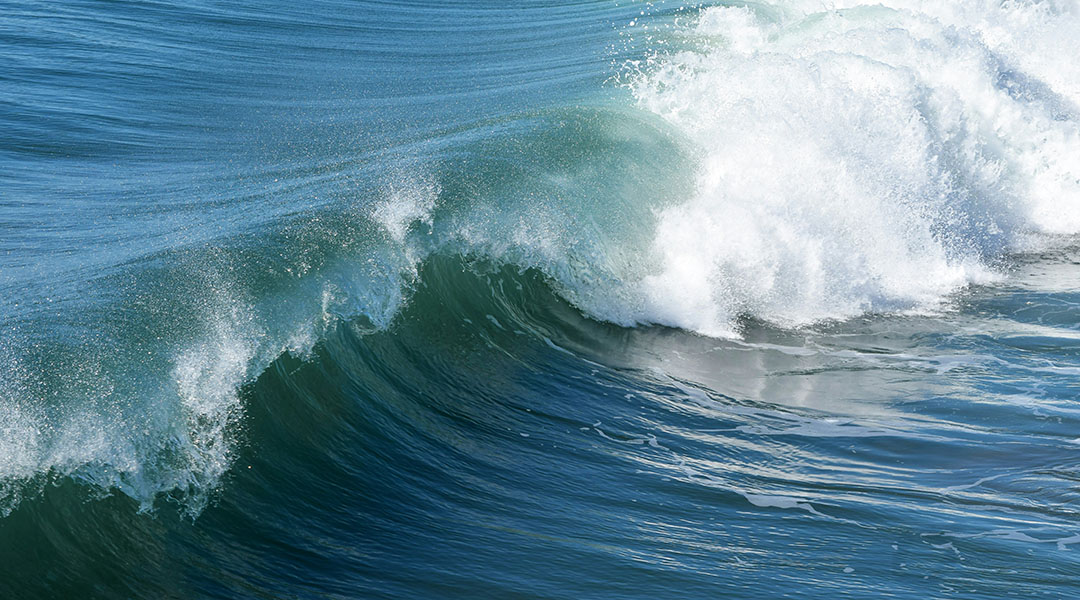
A sand-like material can be extracted from seawater by adding carbon dioxide, potentially making the building industry more sustainable.
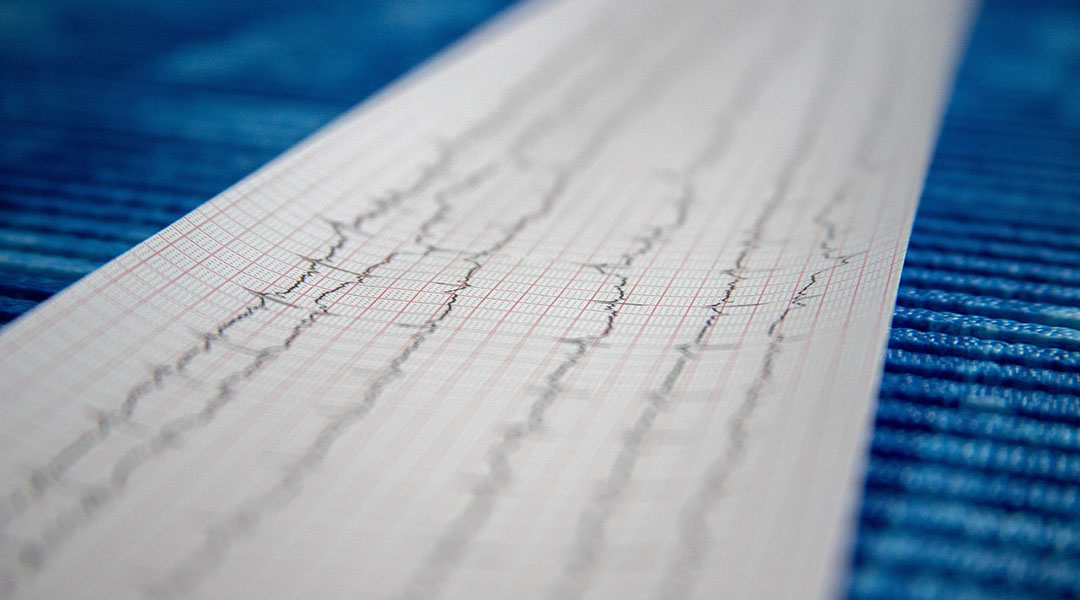
Smaller than a grain of rice, the pacemaker is designed with temporary interventions in mind.
A new machine learning algorithm that can rapidly pinpoint the location of a neutron star merger using gravitational wave signals alone.
Scientists assume that inflation was driven by hypothetical inflaton particles, which scientists think could be the Higgs boson.

A bacterium found in a backyard could offer new hope in the fight against antibiotic resistance.
“We’ve essentially reworked the standard recipe for making organic light emitting diodes, like those found in smartphones.”
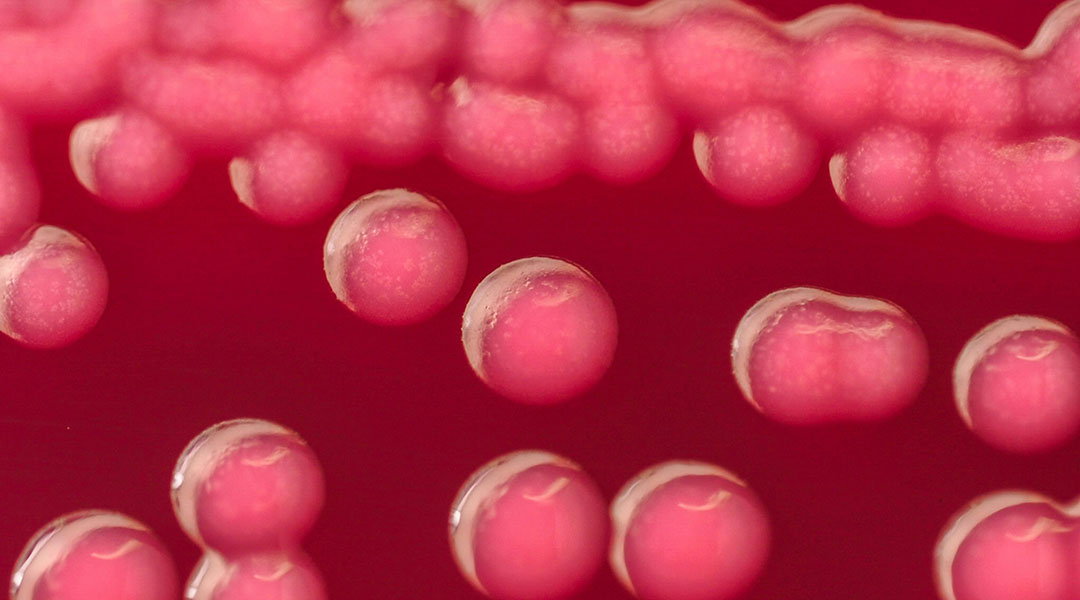
Engineered Escherichia coli bacteria could be used to make sustainable biobased plastics.
 New theory suggests gravity is not a fundamental force
 French WEST reactor breaks record in nuclear fusion
 Higgs boson may be driving the Universe’s expansion
 Researchers replicate gravitational lensing in the lab
 Water-powered gadgets may be on the horizon thanks to new evaporation-based energy device
 Cold shock from ice baths leads to stronger cells