Groll, Gbureck and co-workers design a new material strategy that shows significantly improved wet adhesion of bone adhesives.
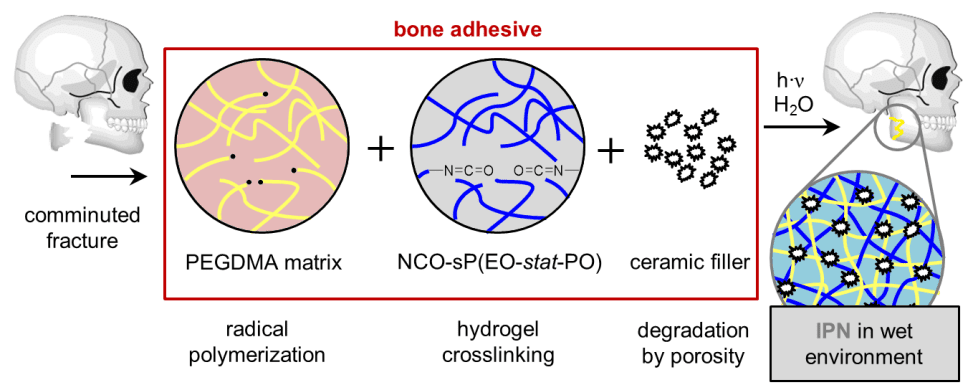

Groll, Gbureck and co-workers design a new material strategy that shows significantly improved wet adhesion of bone adhesives.
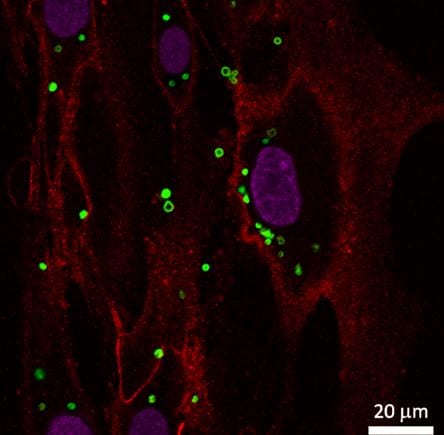
Scientists from Tomsk Polytechnic University have obtained magnetic stem cells with low toxicity and enough stable for gene engineering applications.
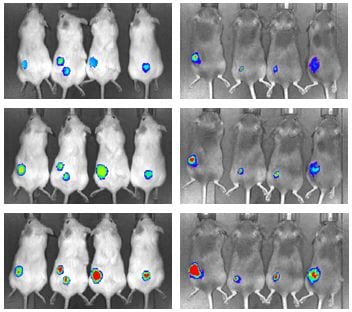
Silver nanoparticles are a more effective cancer treatment in immune competent mice.
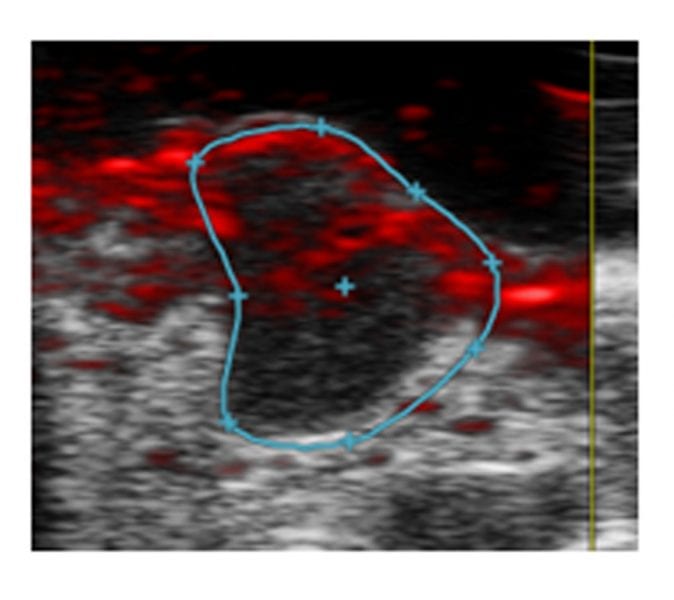
A novel melanin-based contrast agent may help assess the tumor vasculature after antiangiogenic treatment via Dynamic Contrast Enhanced Photoacoustic Imaging.
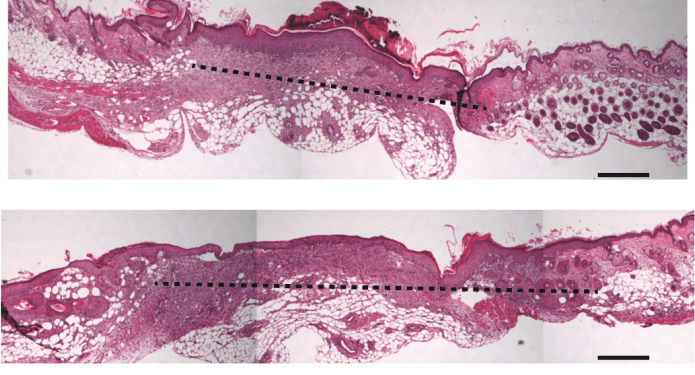
Researchers from the University of South Australia reveal how they use non-toxic porous silicon nanoparticles (pSi NPs) for the controlled release of FnAb to diabetic wounds.
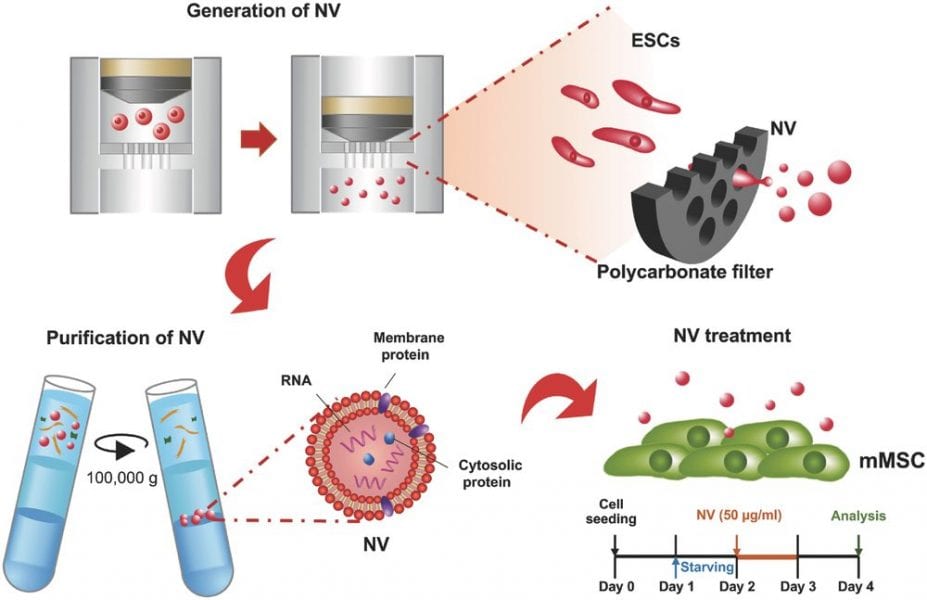
“Man-made” extracellular vesicle-mimetic nanovesicles developed with characteristics similar to those of extracellular vesicles.
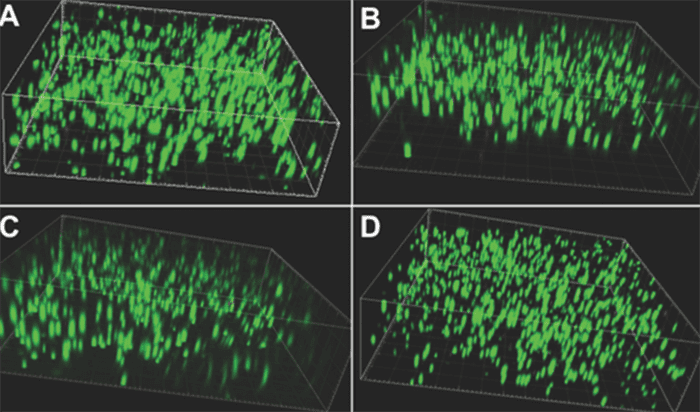
Researchers report the first example of a hydrogel for wound healing with both rapid self-healing ability and high mechanical strength.
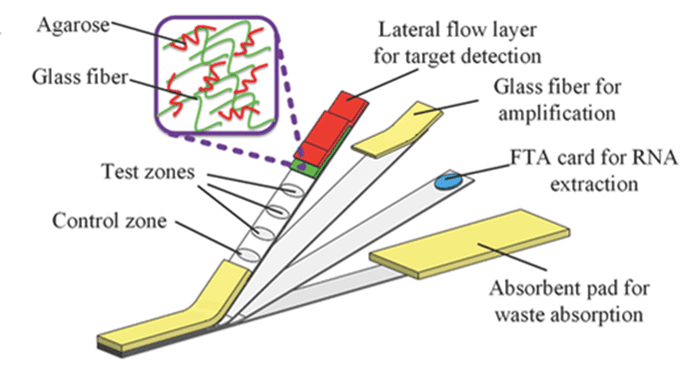
Paper-polymer hybrid material-based lateral flow assays are there to offer highly sensitive, semi-quantitative detection of dengue infection at the point-of-care.
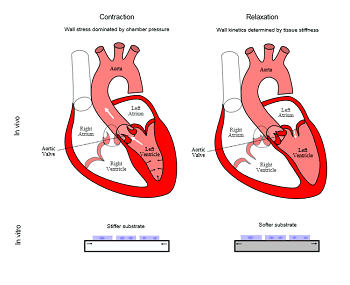
In the heart wall the pressure required to pump blood dominates the biomechanics of the contraction cycle of the heart.
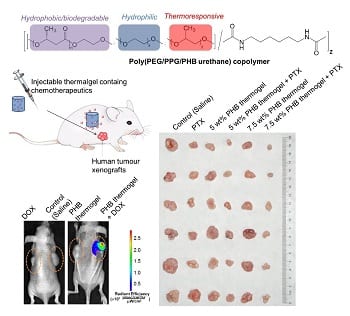
Recently, Dr. Wu and Dr. Loh have designed a biocompatible and injectable hydrogel based on thermogelling copolymer.
 New theory suggests gravity is not a fundamental force
 Higgs boson may be driving the Universe’s expansion
 Water-powered gadgets may be on the horizon thanks to new evaporation-based energy device
 Scientists discover a new class of antibiotics
 Micron-sized hidden dimensions could solve two of physics’ deepest puzzles
 A new type of dark matter could explain mysterious radiation from the Milky Way’s core