A new theory proposes gravity isn’t a fundamental force but emerges from quantum electromagnetic interactions, potentially reshaping our view of spacetime itself.

A new theory proposes gravity isn’t a fundamental force but emerges from quantum electromagnetic interactions, potentially reshaping our view of spacetime itself.
Scientists created flexible probabilistic bits from custom polymers, offering a new, energy-efficient path for AI and machine learning using classical physics.
Subtle inflaton interactions may reshape our understanding of cosmic inflation, altering predictions about dark matter, black holes, and gravitational waves.
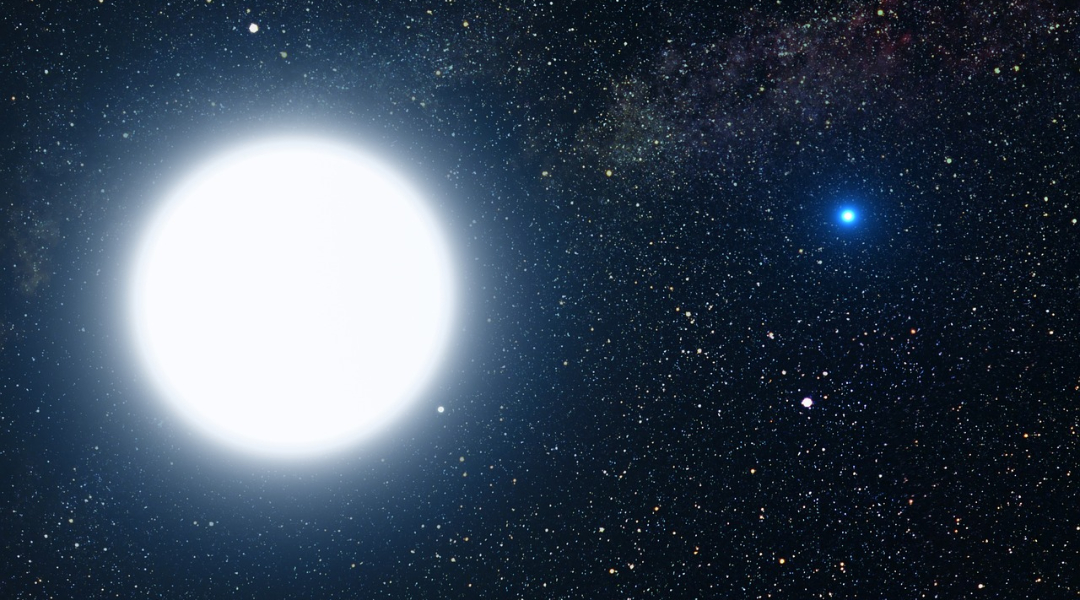
A new machine learning algorithm that can rapidly pinpoint the location of a neutron star merger using gravitational wave signals alone.
“We’ve essentially reworked the standard recipe for making organic light emitting diodes, like those found in smartphones.”
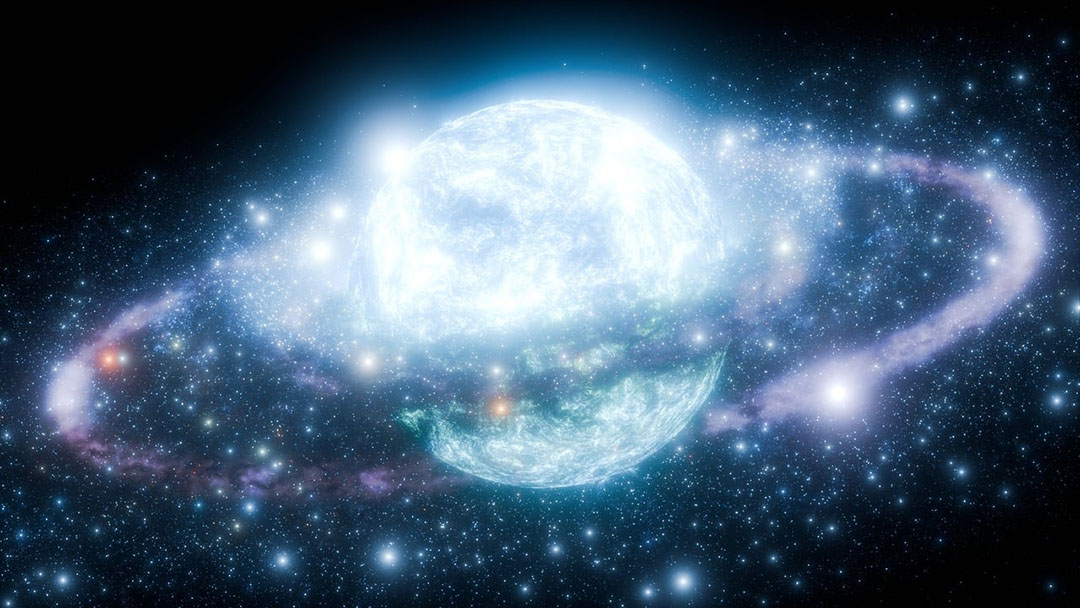
Scientists figure out how different factors, like temperature, density, and pressure, relate to each other in the matter inside neutron stars.
Rectangular fiber optic cables could increase data transfer rates, benefiting telecommunications and quantum computing advancements.
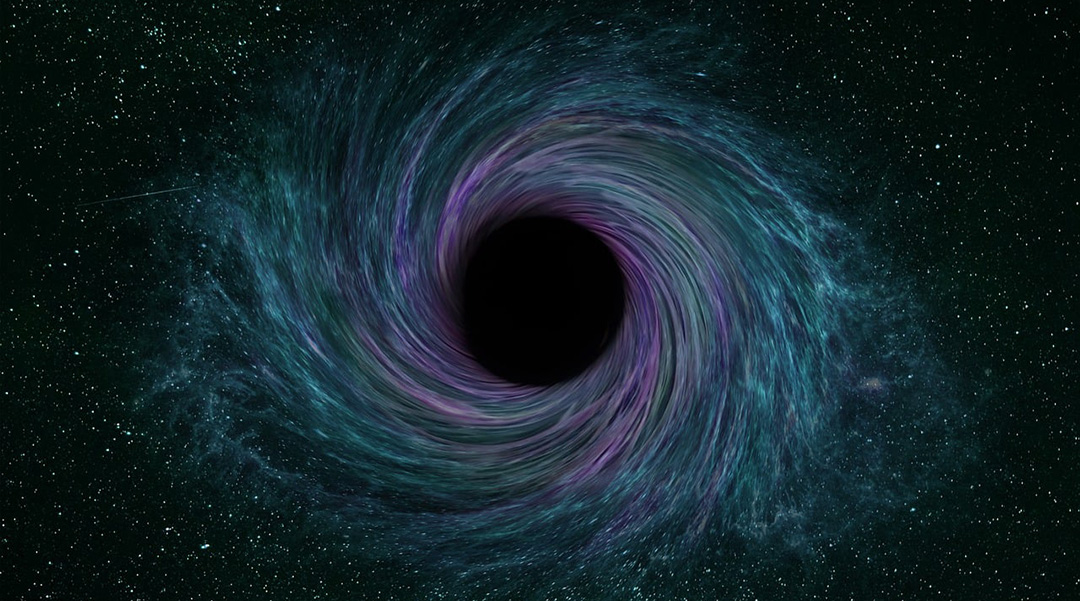
Linking string theory with observations, frozen stars shed new light on black holes and the clash between quantum mechanics and relativity.
Scientists propose that mysterious dark energy could be understood if we look at the Universe through the lens of string theory.
Secure data sharing methods using quantum key distribution via satellites promise advancements in long-distance quantum communication.

 Micron-sized hidden dimensions could solve two of physics’ deepest puzzles
 Turning Periods into Power: Menstrual Blood a Valuable Resource for Medical Diagnostics
 Kirigami-inspired neural probes are a cut above
 Immune resilience gene signature could hold the key to healthy aging
 Surfactants Steer Supraparticle Structure
 Bone loss in obesity traced to gut microbiota