Atomic collapse state recreated with artificial nuclei by Berkeley Lab researchers.
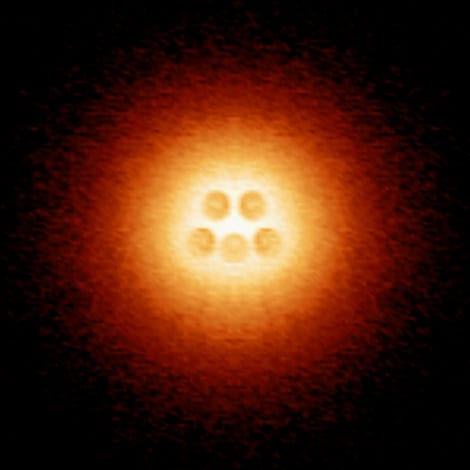

Atomic collapse state recreated with artificial nuclei by Berkeley Lab researchers.
A new technique developed by U of T Engineering Professor Ted Sargent and his research group could lead to significantly more efficient solar cells.
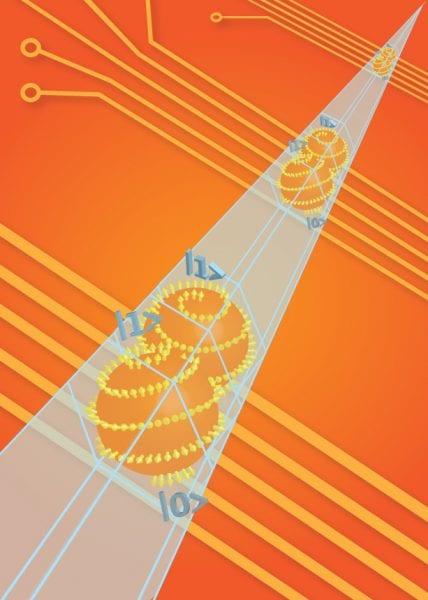
Recent research offers a new spin on using nanoscale semiconductor structures to build faster computers and electronics.
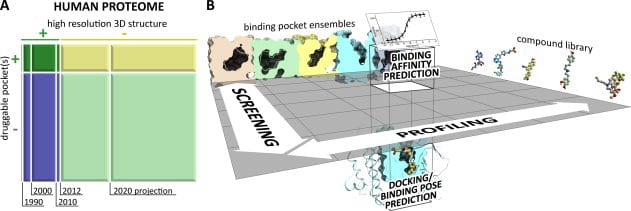
Dr. Irina Kufareva and her colleagues from UC San Diego have investigated quantum chemical approaches to computational drug research.
A group from MIT have demonstrated a method to produce extremely efficient zinc oxide/quantum dot based photovoltaics.
Unexpected breakthrough could bolster quantum photonics and solar cell efficiency.
GEN10 Molecular Beam Epitaxy system will be installed in lab to be established by Professor Zbig Wasilewski.
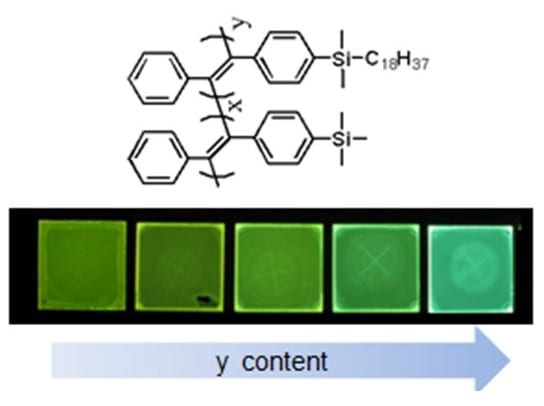
Researchers demonstrate that the fluorescence of PDPA in solid film can be tuned by copolymerization of monomers with different alkyl side chain lengths.
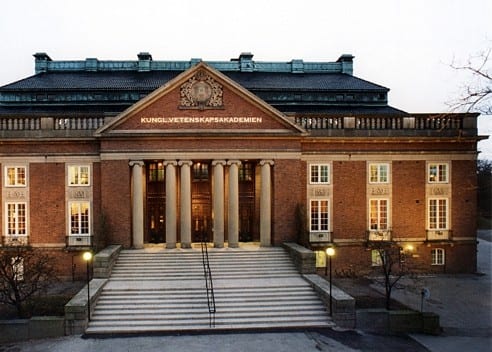
David Wineland and Serge Haroche win award from work on light-matter interaction.
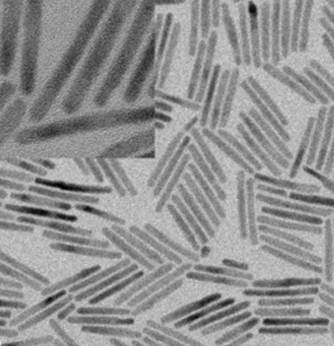
Carefully engineered CdSe/CdS colloidal quantum dots show an almost constant amplified spontaneous emission threshold over a temperature range from 5–325 K.

 Micron-sized hidden dimensions could solve two of physics’ deepest puzzles
 Turning Periods into Power: Menstrual Blood a Valuable Resource for Medical Diagnostics
 Kirigami-inspired neural probes are a cut above
 Immune resilience gene signature could hold the key to healthy aging
 Surfactants Steer Supraparticle Structure
 Bone loss in obesity traced to gut microbiota