Antitumour platform comes of age: this system gets the responsible drug to keep itself in check for transport and delivery.
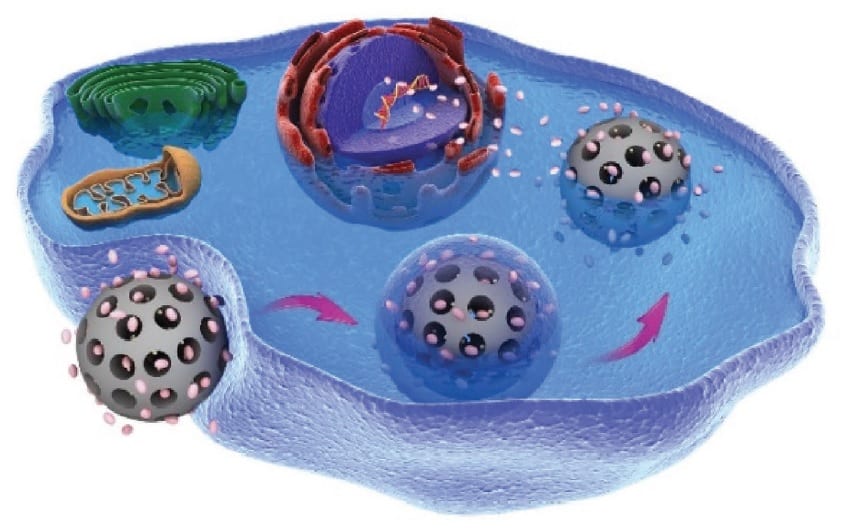

Antitumour platform comes of age: this system gets the responsible drug to keep itself in check for transport and delivery.
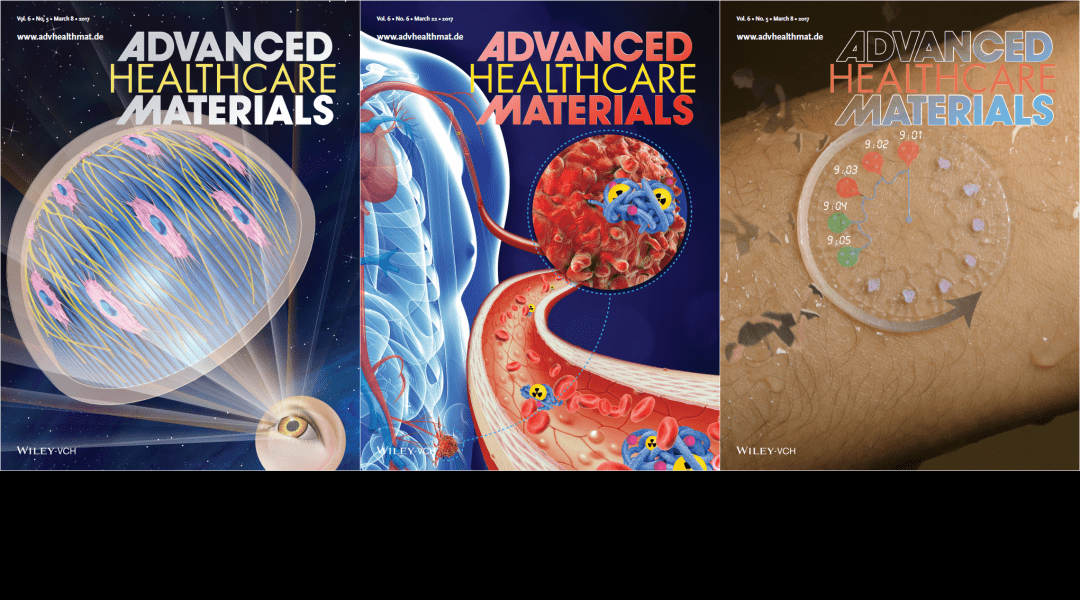
March’s Advanced Healthcare Materials covers
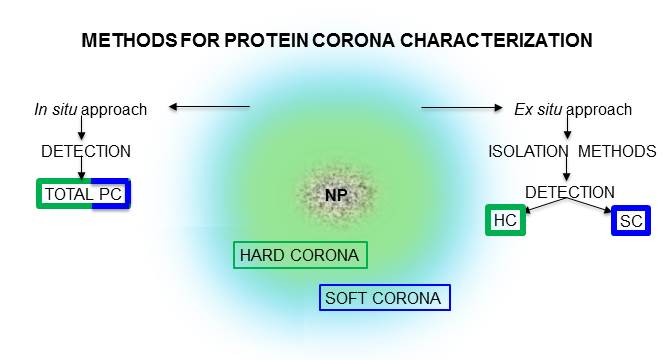
The application and the clinical development of nanomedicines strongly requires a deep study on the complex dynamics that happen after in vivo administration. Particularly, plasma proteins tend to associate to nanoparticles, forming a new surface named the “protein corona” that can have a strong impact on biodistribution, targeting efficacy, and toxicity.
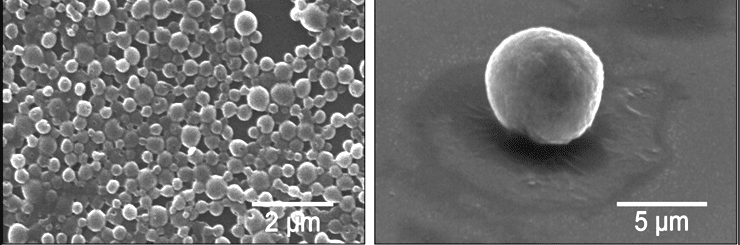
Researchers have developed a controlled-release drug delivery system that uses focused ultrasound as an active induction method.

A nanophotonic approach makes ultrathin CIGSe solar cells with high efficiencies possible.
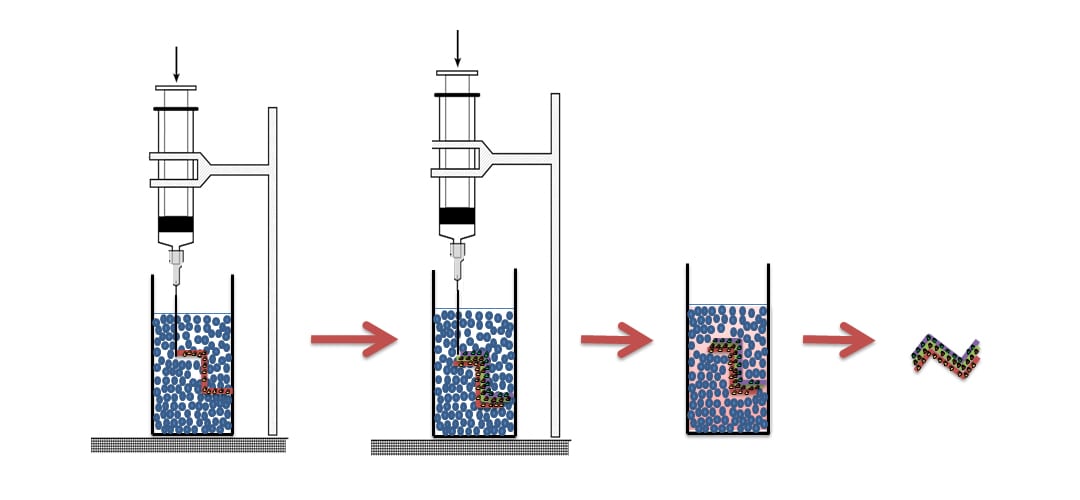
A manufacturing method is unveiled that uses a supportive material that is self-healing, and enables the production of soft materials in a supported and suspended manner.
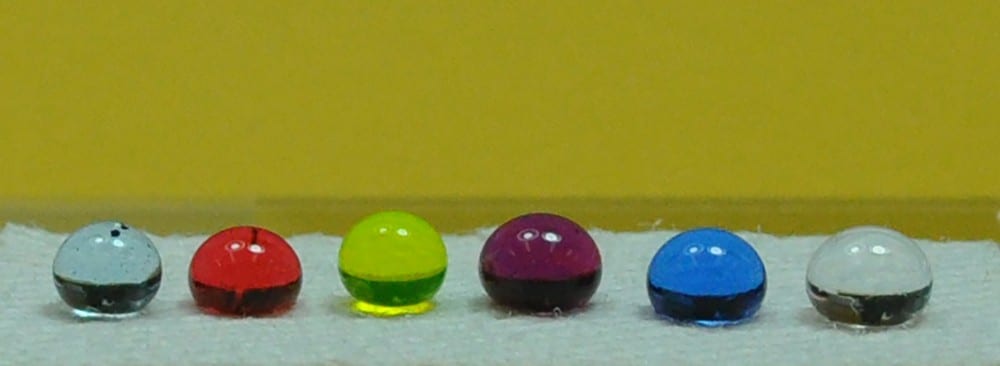
Superamphiphobic and durable coatings on woven/non-woven surfaces for repelling many types of liquids.
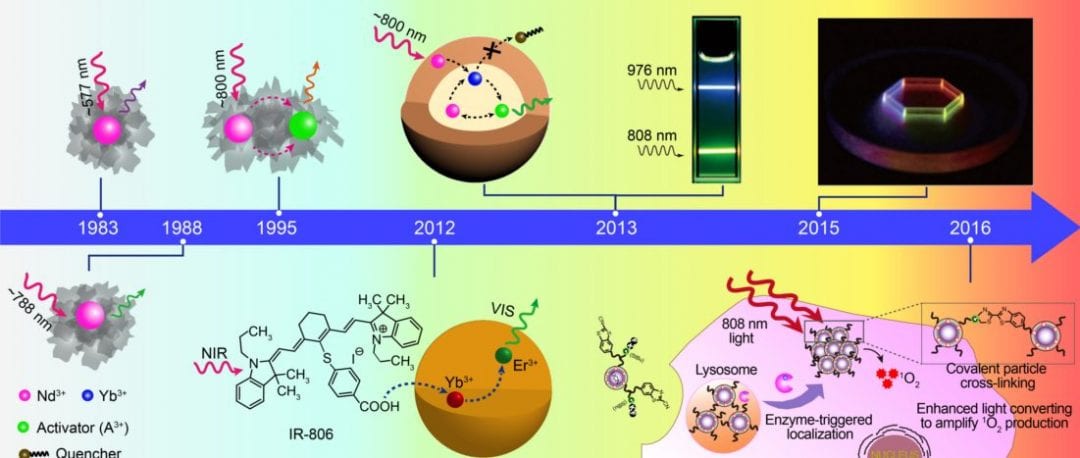
Current advances in that latest progress in shifting the upconversion excitation wavelengths of lanthanide doped upconversion nanoparticles to a biological “sweet spot” of 800nm.
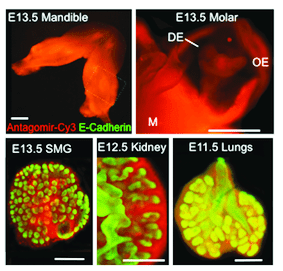
A detailed protocol to assess microRNA function in explanted organs is presented.
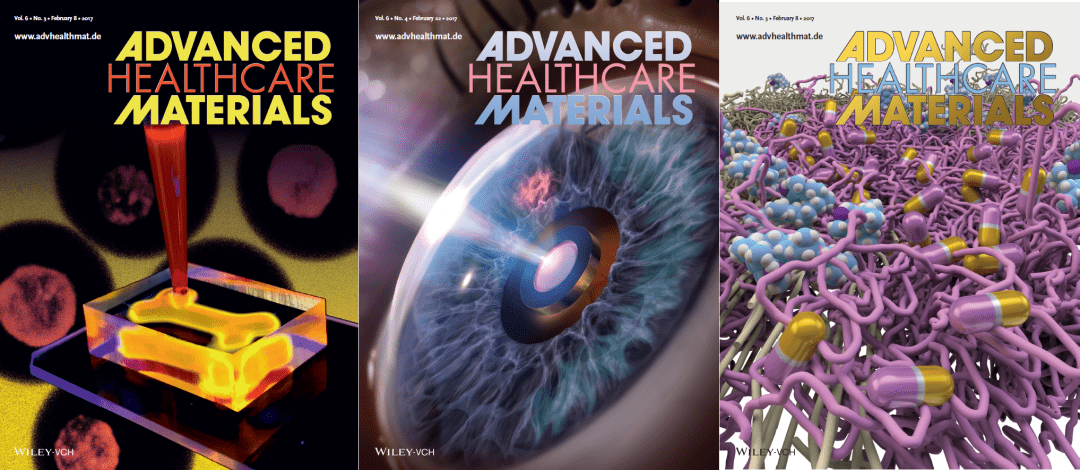
Research highlights from this month’s Advanced Healthcare Materials issues.
 New theory suggests gravity is not a fundamental force
 Higgs boson may be driving the Universe’s expansion
 Water-powered gadgets may be on the horizon thanks to new evaporation-based energy device
 Scientists discover a new class of antibiotics
 Micron-sized hidden dimensions could solve two of physics’ deepest puzzles
 A new type of dark matter could explain mysterious radiation from the Milky Way’s core