Microscopic machines powered by light are a “double threat” to bacteria and could help combat the growing problem of drug resistance.
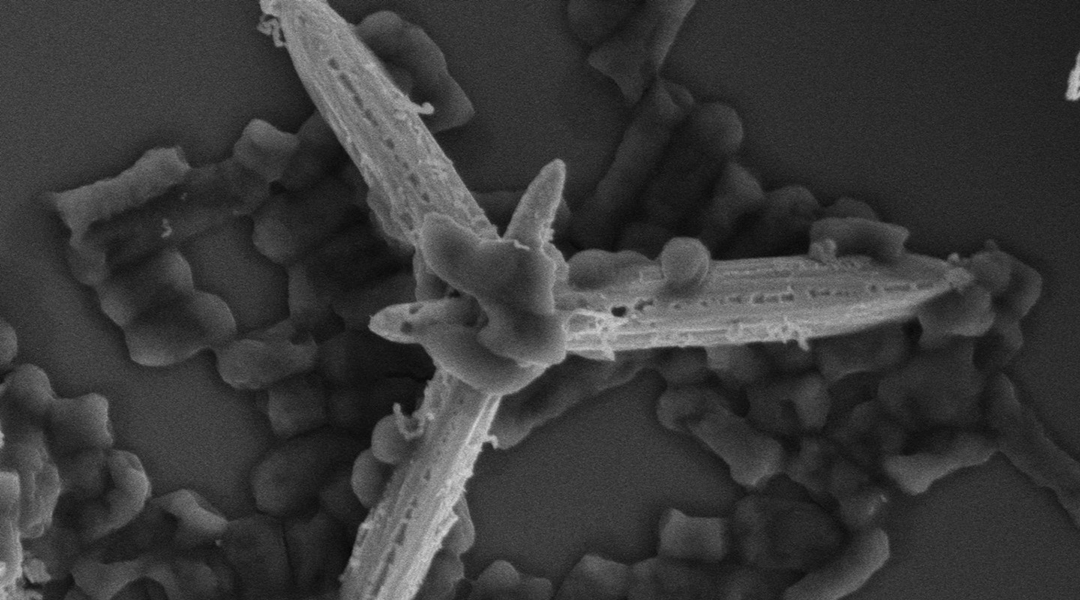

Microscopic machines powered by light are a “double threat” to bacteria and could help combat the growing problem of drug resistance.
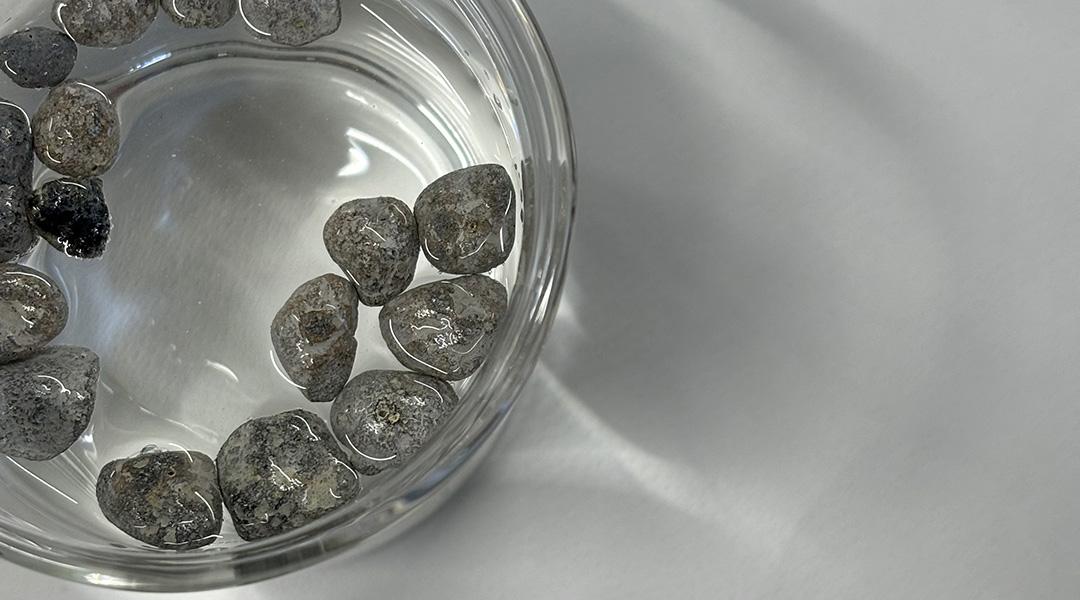
Sunlight-activated floating photocatalysts offer accessible water purification, vital for remote regions and developing communities.
Using electrochemical sensors, this new device can be used to combat water pollution by detecting heavy metals, like lead.

This artificial gut will allow scientists to gain deeper insights into the biome that exists there and how dysregulation can lead to disease.
An active compound extracted from Angelica Acutiloba effectively eliminates harmful senescent cells in the dermis, with anti-aging benefits.
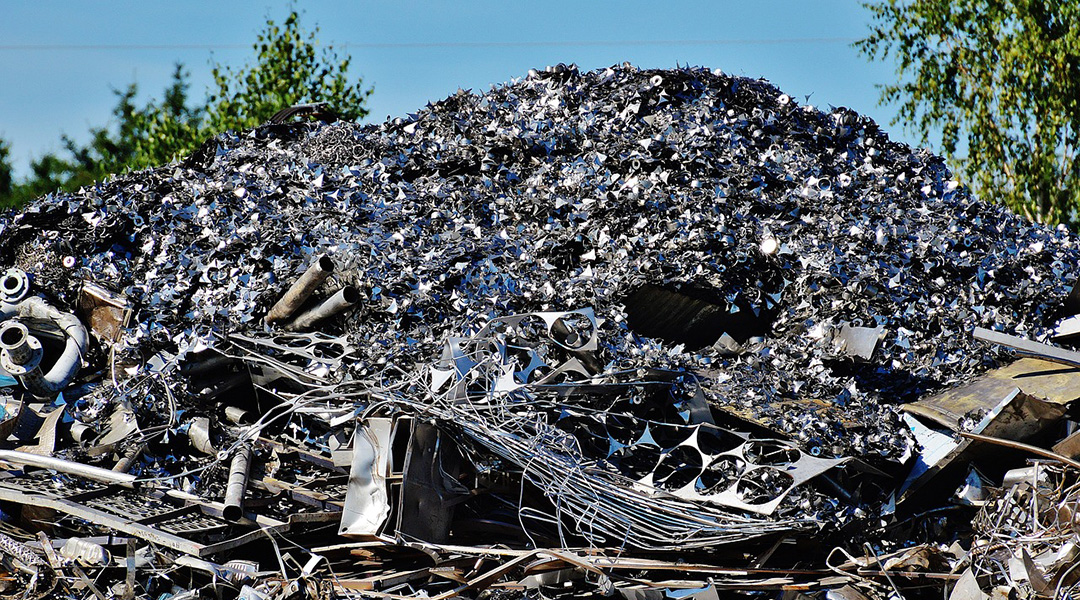
Researchers are tackling the growing problem of electronic waste by designing wearable electronics from sustainable and recyclable materials.
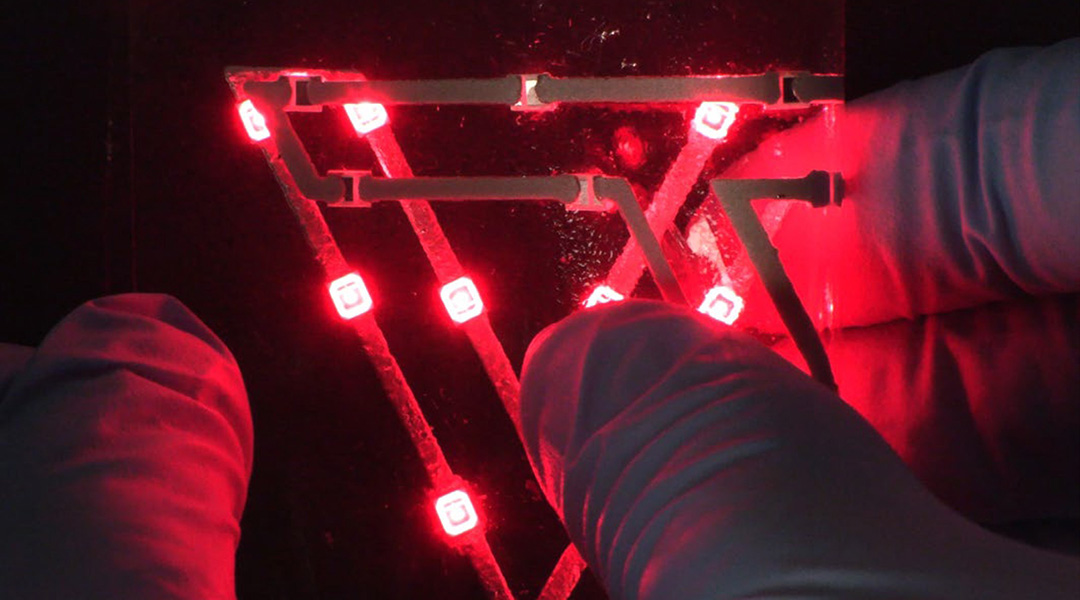
E-CASE liquid metal adhesive enables flexible connections to make better, tougher flexible electronics for wearables and robotics.
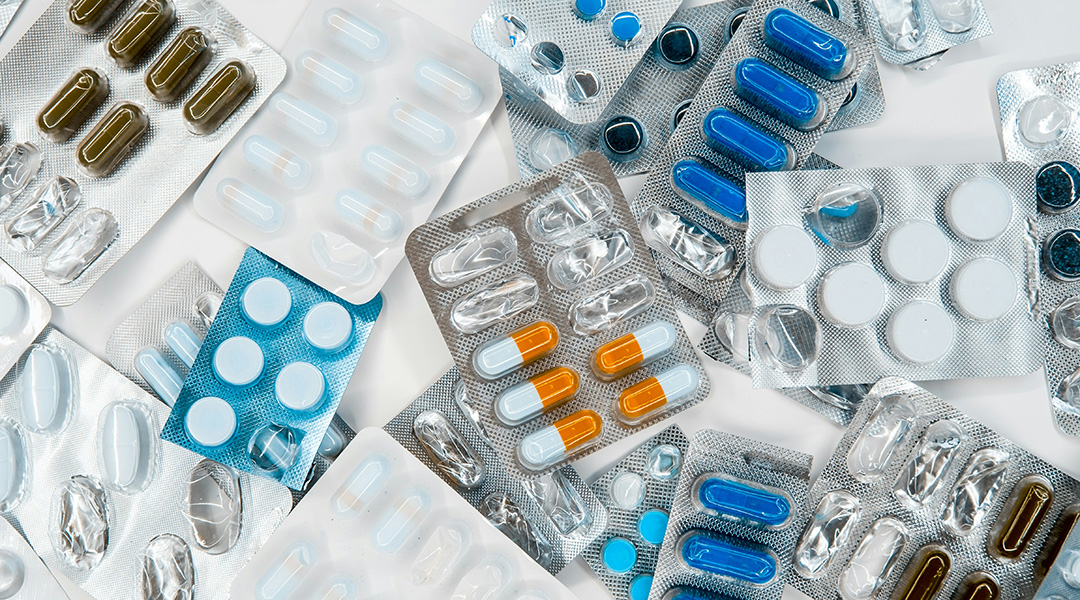
Experts argue a new approach is needed so that we are less reliant on antimicrobial drugs, where less use means less resistance.
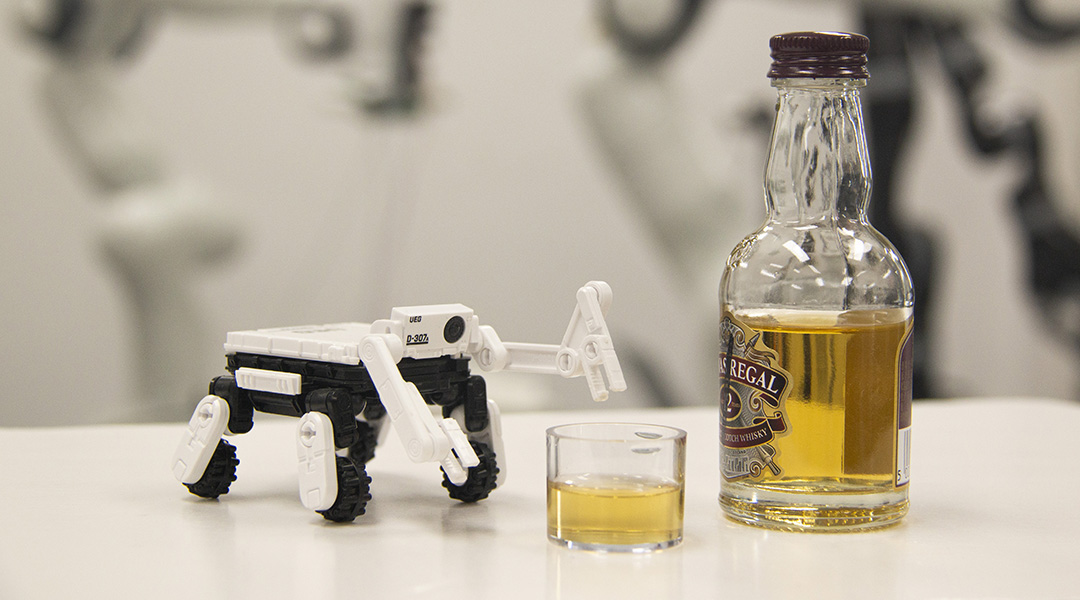
Precisely copying the capabilities of a biological nose with an artificial one is a lofty but potentially world-changing goal.

The generator harnesses energy from water and is built with a fiberform material derived from the straps of disposable medical masks.
 New theory suggests gravity is not a fundamental force
 Higgs boson may be driving the Universe’s expansion
 Water-powered gadgets may be on the horizon thanks to new evaporation-based energy device
 Scientists discover a new class of antibiotics
 Micron-sized hidden dimensions could solve two of physics’ deepest puzzles
 A new type of dark matter could explain mysterious radiation from the Milky Way’s core