Scientists design a stretchable, adhesive, self-healing material that can change color as a result of movement for real-time motion sensors.


Scientists design a stretchable, adhesive, self-healing material that can change color as a result of movement for real-time motion sensors.

Long-term and global datasets of Paleolithic archaeologists are relevant for present climate action, and new interdisciplinary alliances are needed to exploit them.

As the way in which we work, socialize, and live becomes ever-more digital, enabling faster internet speeds and bandwidth capacity while using existing infrastructures promises a new dawn of the digital age.

Micro- and nanoparticle-based drug delivery systems are revolutionizing medicine, from minimizing the toxicity of therapeutics to improving their efficacy.

A new stretchable and conductive nanocomposite shows promise as a biocompatible material for correcting arrhythmia in patients.

This edition of Pioneers in Science celebrates physicist Wilhelm Röntgen, winner of the 1901 Nobel Prize in Physics for his discovery of “a new kind of ray”.
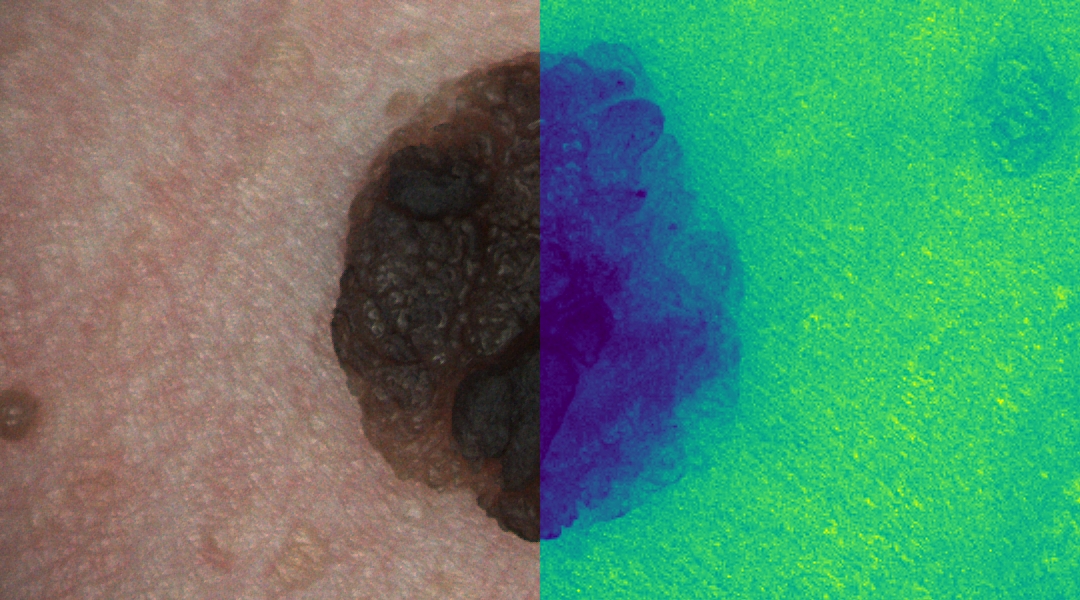
Hyperspectral imaging has the potential to better detect skin cancer to improve the survival rates of patients.
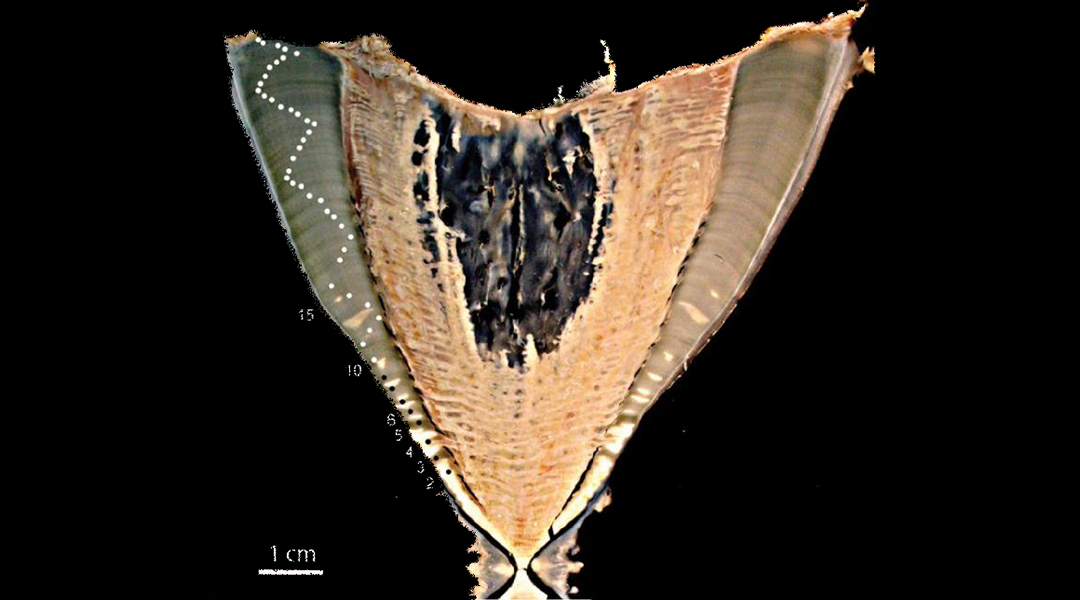
The radioactive legacy of the arms race solves a mystery about the world’s largest fish.
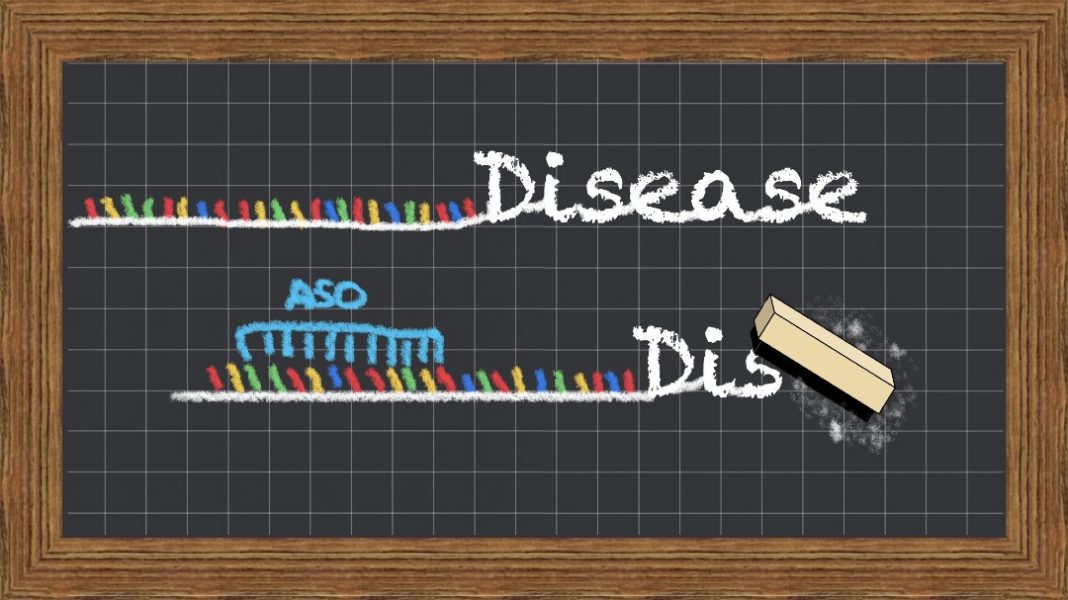
A blackboard of therapeutic innovation: Researchers seek to understand how antisense oligonucleotides can “erase” disorders.

Researchers solve some of the drawbacks related to DNA-based information storage by using synthetic macromolecules as an alternative for data encoding.
 New theory suggests gravity is not a fundamental force
 Higgs boson may be driving the Universe’s expansion
 Water-powered gadgets may be on the horizon thanks to new evaporation-based energy device
 Scientists discover a new class of antibiotics
 Micron-sized hidden dimensions could solve two of physics’ deepest puzzles
 A new type of dark matter could explain mysterious radiation from the Milky Way’s core