Forensic science may soon harness these blood-sucking pests, analyzing the blood they feed on to link suspects to crime scenes.
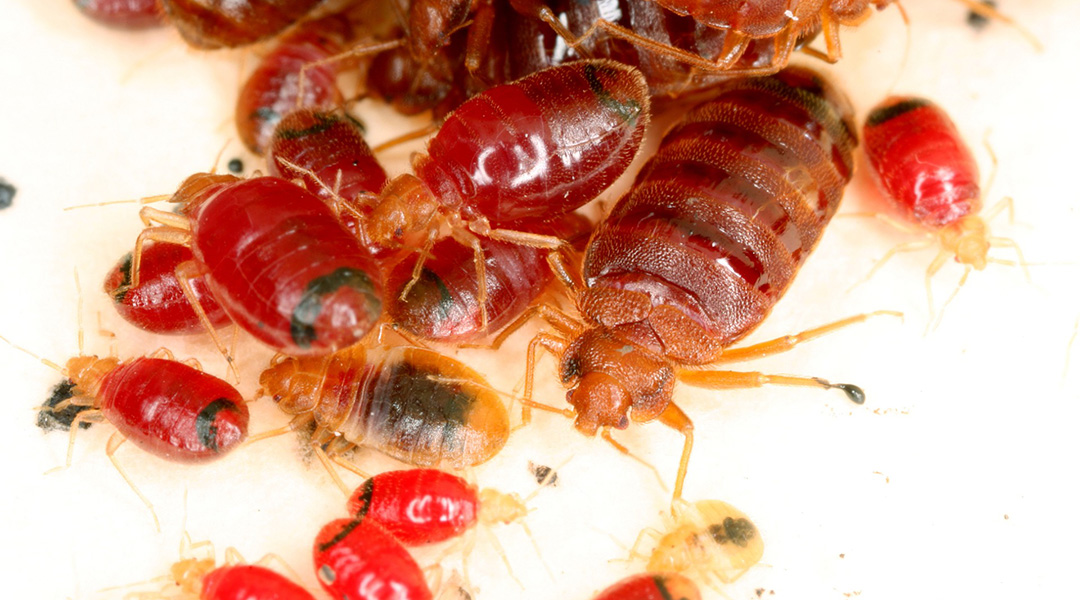


Forensic science may soon harness these blood-sucking pests, analyzing the blood they feed on to link suspects to crime scenes.

People all over the world touch their faces up to 800 times per day—researchers wanted to know why.
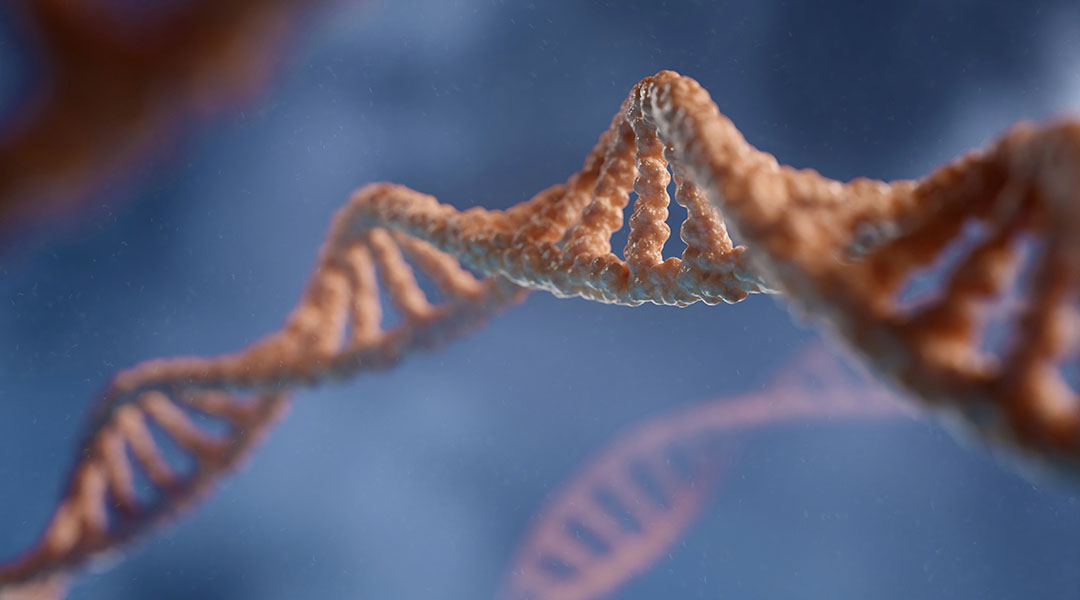
Scientists uncover how the complex interactions between nucleosomes influence DNA’s organization in chromosomes.
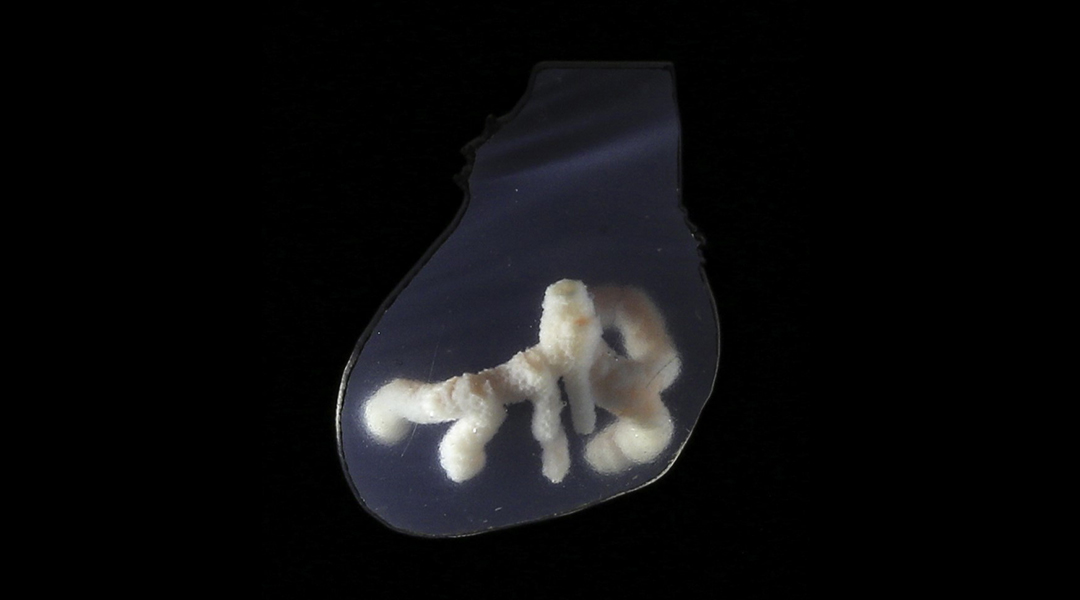
This 3D printing method could make lab-manufactured organ transplants not just a possibility but a viable reality.
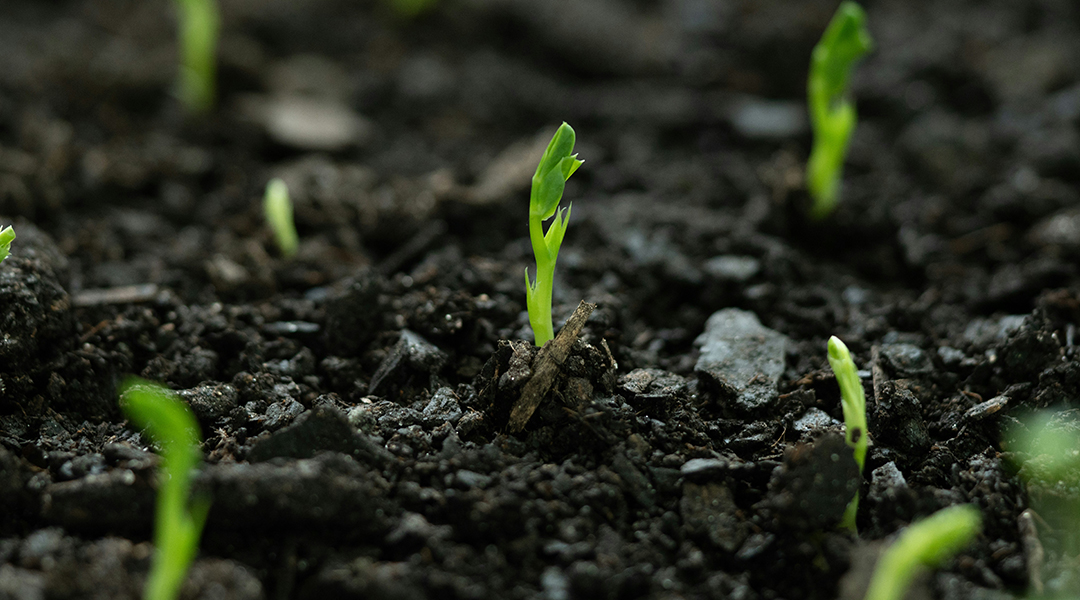
Just like our gut has helpful microbes, so too does the soil around plant roots. But what happens when antibiotics disrupt this balance?
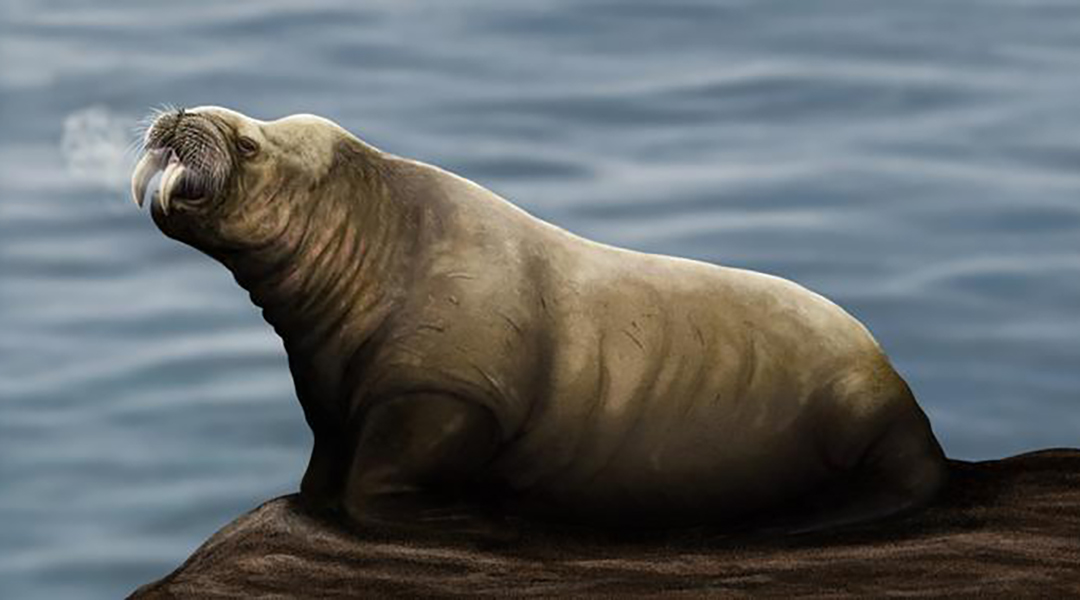
The extinct species, named Ontocetus posti, lived nearly two million years before the modern walrus emerged.
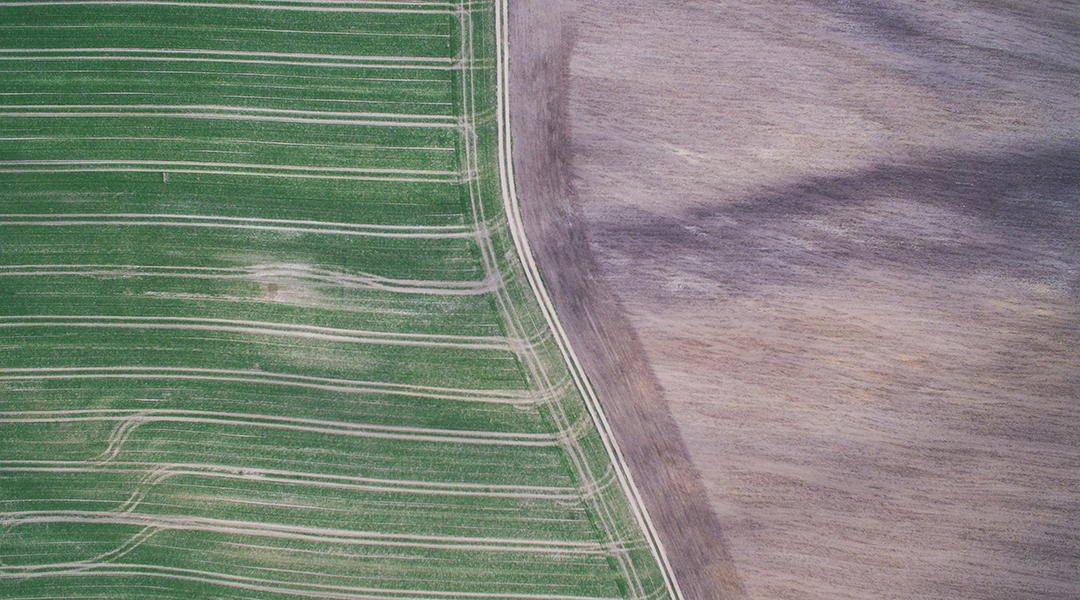
Traditional means farmers used to use for seed selection and preservation may help us cultivate more resilient food in a changing climate.
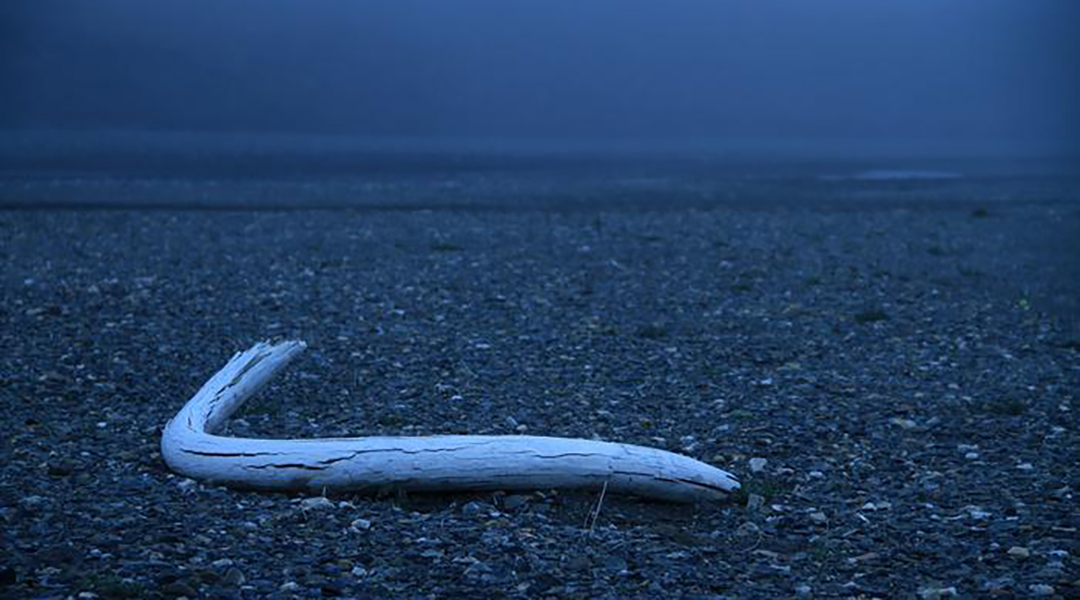
A bottleneck event caused inbreeding in the last woolly mammoths, but scientists find this was not responsible for their demise on Wrangel Island.
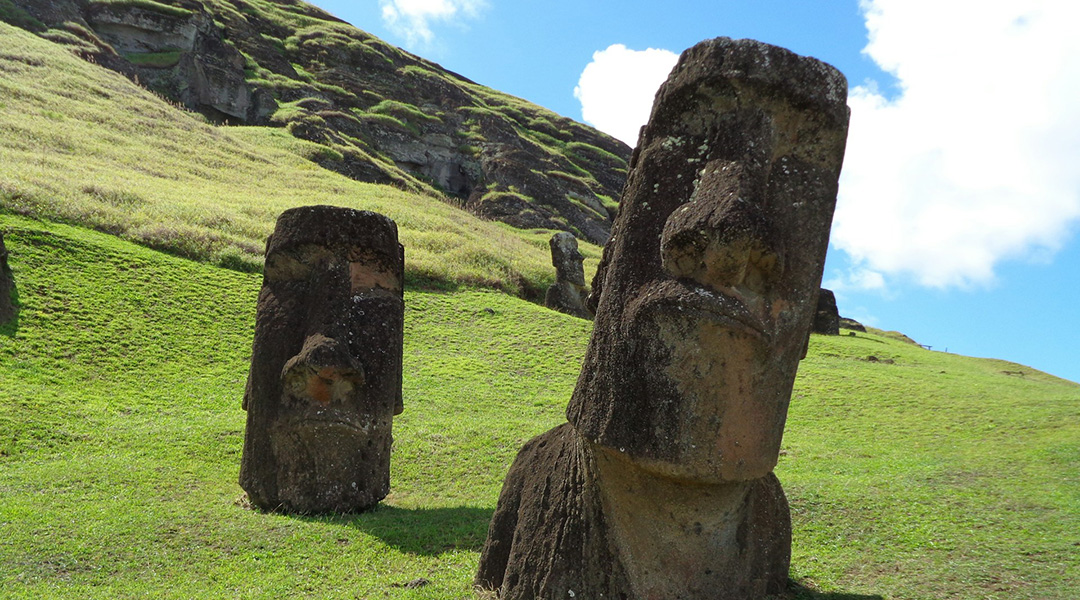
Satellite imagery suggests that islanders lived sustainably rather than overexploiting resources.
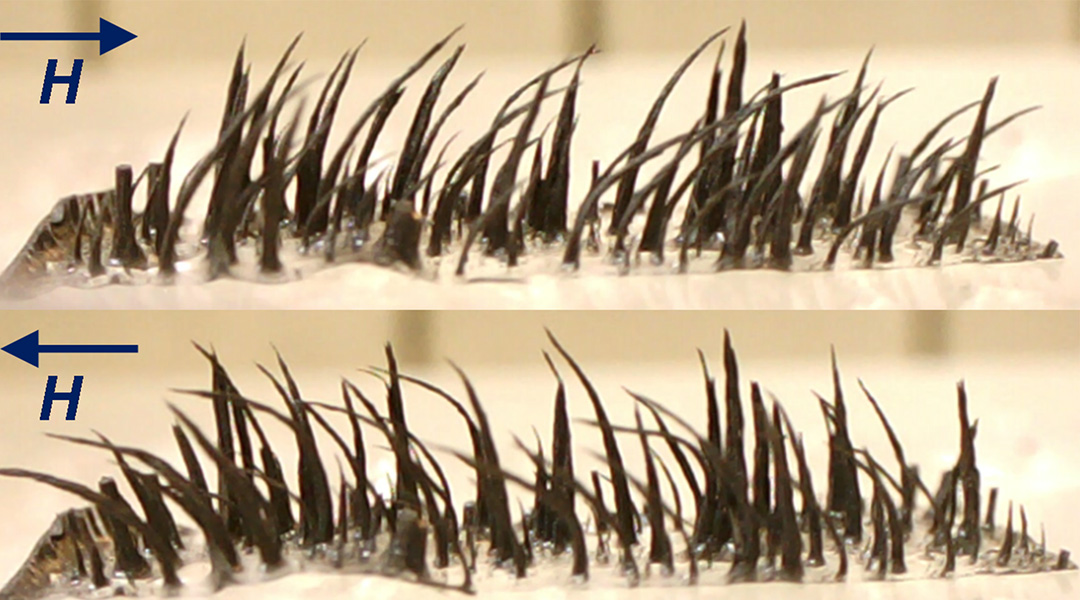
These hair-like structures with applications in robotics are now reprogrammable, negating the need to replace them after one use.