Subtle inflaton interactions may reshape our understanding of cosmic inflation, altering predictions about dark matter, black holes, and gravitational waves.


Subtle inflaton interactions may reshape our understanding of cosmic inflation, altering predictions about dark matter, black holes, and gravitational waves.

SLAC scientists created ultra-dense electron beams with five times the peak current, using infrared lasers to unlock new frontiers in physics and materials research.
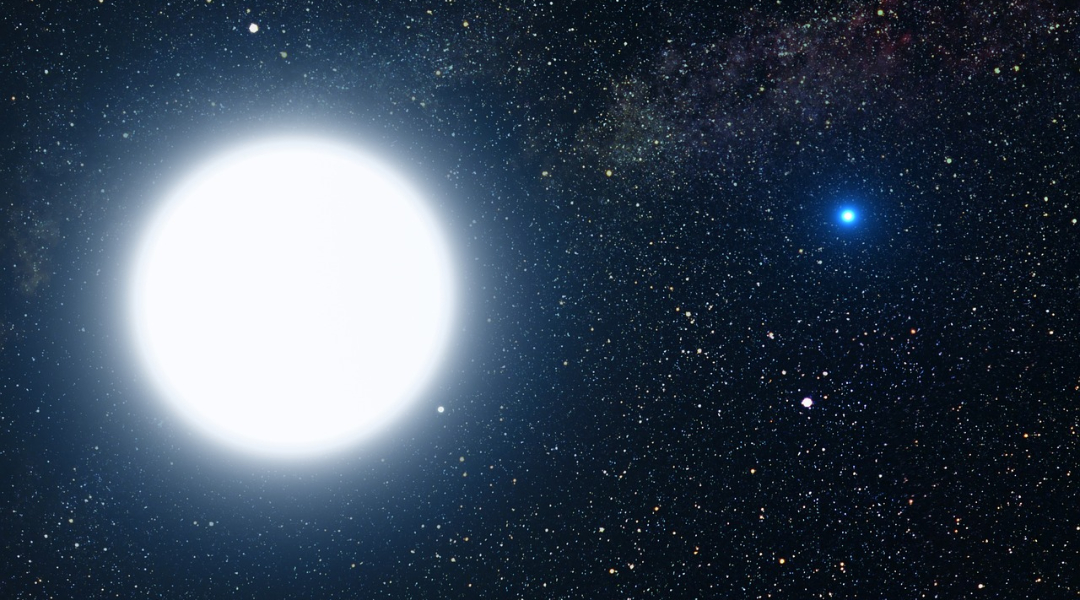
A new machine learning algorithm that can rapidly pinpoint the location of a neutron star merger using gravitational wave signals alone.
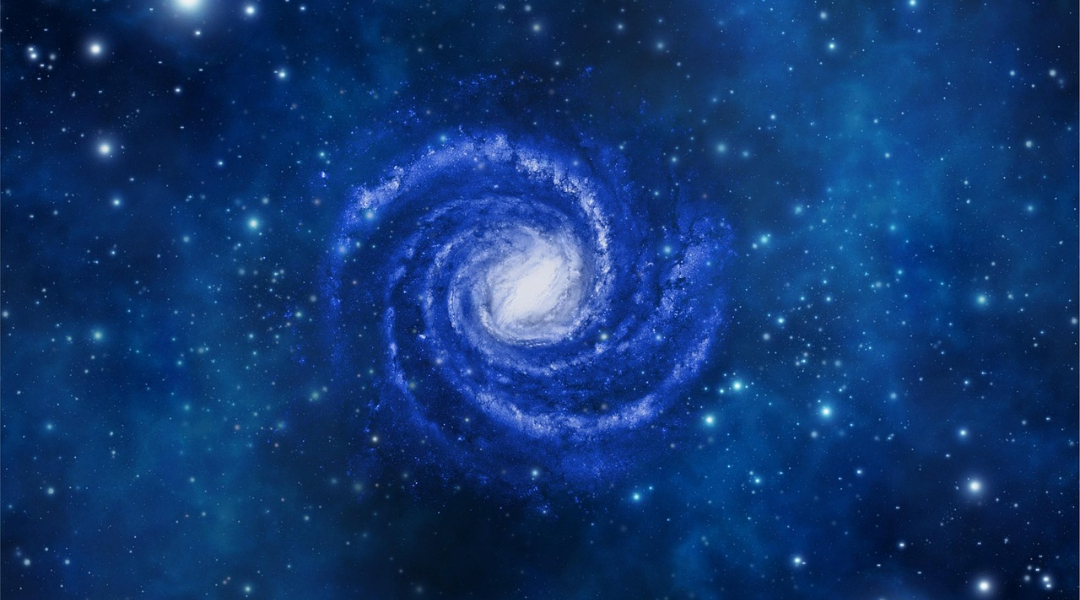
Scientists assume that inflation was driven by hypothetical inflaton particles, which scientists think could be the Higgs boson.
“We’ve essentially reworked the standard recipe for making organic light emitting diodes, like those found in smartphones.”
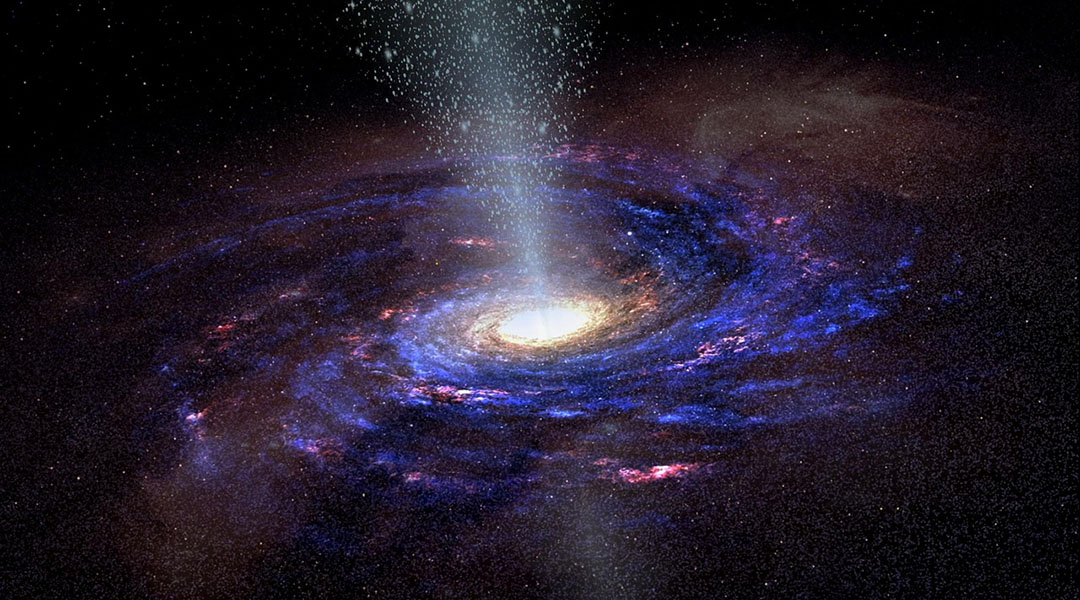
Dark matter could be composed of much lighter particles, with masses roughly ten times smaller than that of a proton.
If experimentally proven that gravity is classical, we will have to start from the beginning in a search for a satisfactory ontological picture of the world.
A new study targets feature selection, a key step in machine learning where the algorithm determines which parts of the input data are most relevant to making accurate predictions.
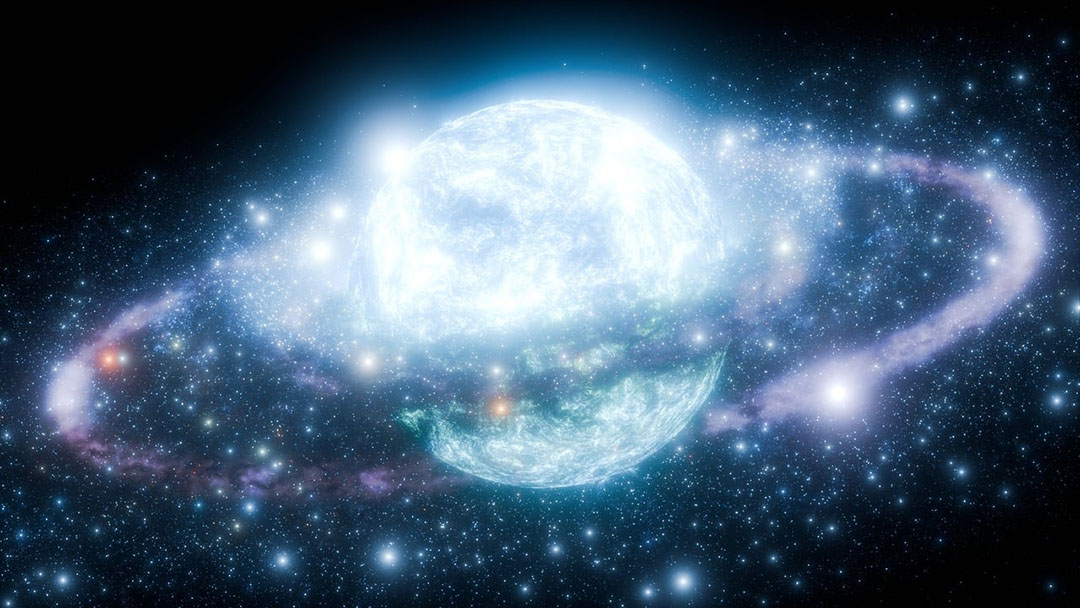
Scientists figure out how different factors, like temperature, density, and pressure, relate to each other in the matter inside neutron stars.

This new high-tech window glass reflects heat and radiates excess warmth into space, slashing air conditioning energy use by up to 40%.