Improving food storage with biodegradable polymers that can prevent food products from rapidly spoiling and help the growing difficulty of waste build up in the environment.
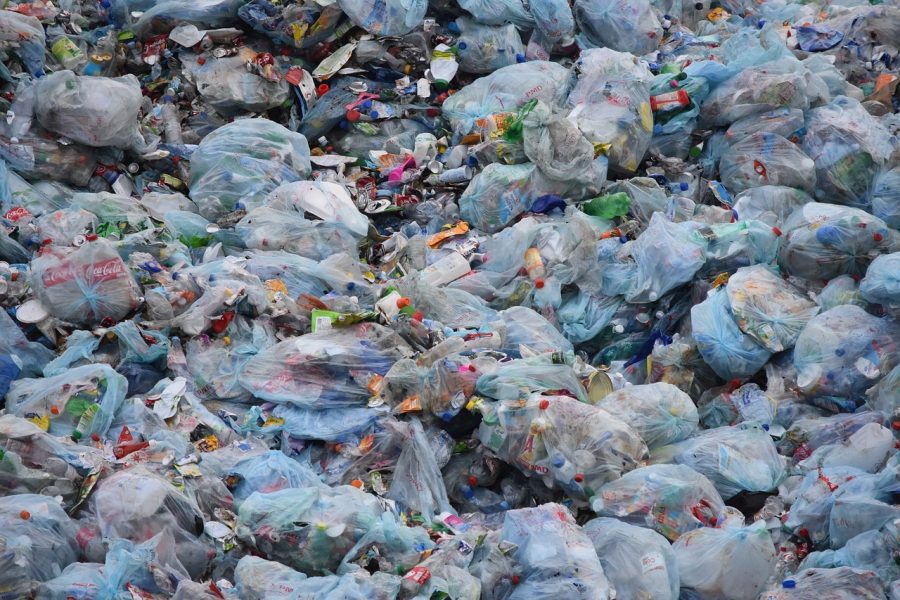

Improving food storage with biodegradable polymers that can prevent food products from rapidly spoiling and help the growing difficulty of waste build up in the environment.
Carbohydrates are abundant biomolecules with a strong tendency to form supramolecular networks.
Photodynamic therapy combines light and a photosensitizer to generate reactive oxygen species to induce cellular damage.
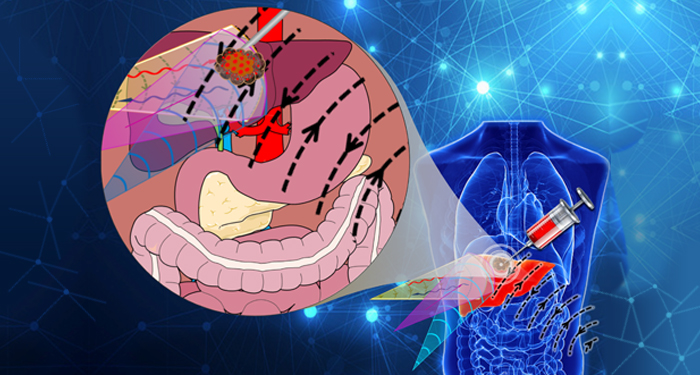
Multimodal imaging for guided injection and positioning of eccentric magnetic microcapsules with electromagnetically controlled drug release.
Using cellulose-based fibers and nanotechnology to remove arsenic from drinking water.

A team of Argentinian researchers developed a superhydrophobic and oleophilic carbonaceous nanosponge (CN) with high adsorption capacity for selective oil removal from water which could be used in case of oil spills.
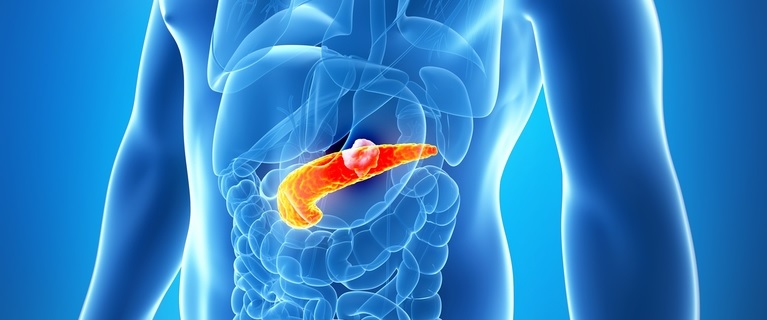
Chinese researchers combined a glow‐like helium atmospheric pressure plasma jet with clinical antitumor drug‐Tegafur‐ to treat pancreatic tumor cells in vitro.
A simple, quick and versatile approach for fabricating gradient tissues through the physical force of buoyancy.
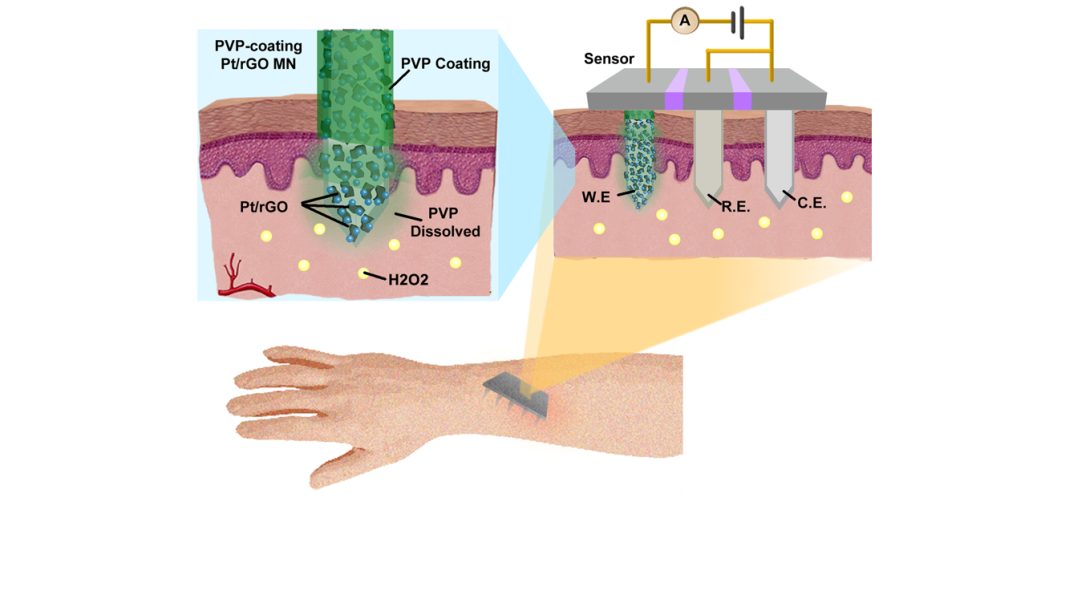
A real-time, in vivo, and minimally-invasive transdermal biosensing system for hydrogen peroxide monitoring is developed.

Colleagues and friends dedicate to Professor Hatsuo Ishida a special issue and a special section in Macromolecular Chemistry and Physics.
 New theory suggests gravity is not a fundamental force
 Higgs boson may be driving the Universe’s expansion
 Water-powered gadgets may be on the horizon thanks to new evaporation-based energy device
 Scientists discover a new class of antibiotics
 Micron-sized hidden dimensions could solve two of physics’ deepest puzzles
 A new type of dark matter could explain mysterious radiation from the Milky Way’s core