Researchers have developed an optimization program to design the behavior of small e-puck robots to allow them to work in unison.
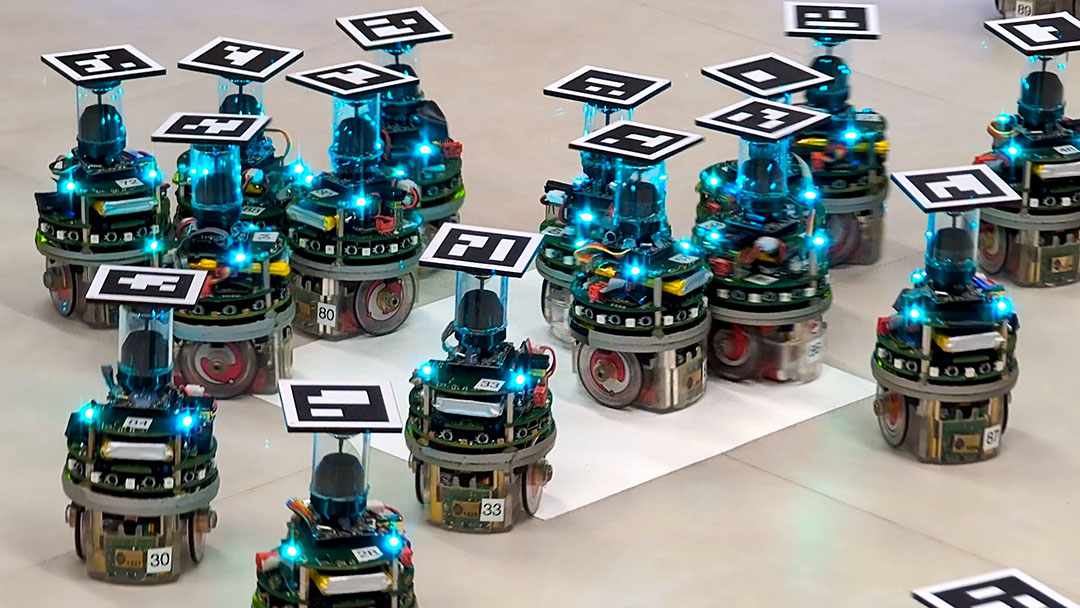

Researchers have developed an optimization program to design the behavior of small e-puck robots to allow them to work in unison.
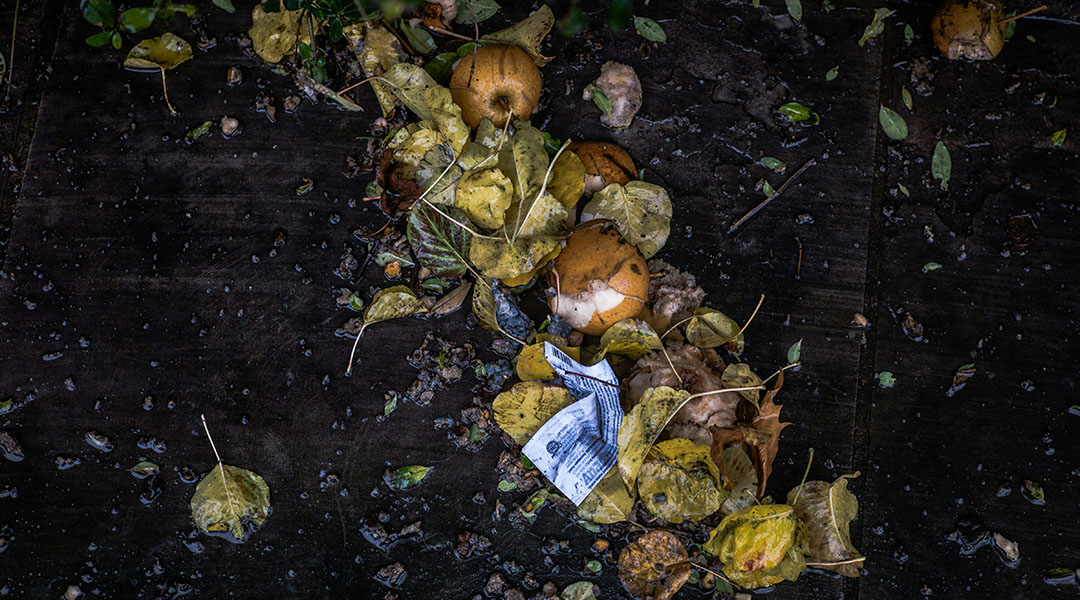
In the future, small electronics could be powered by fallen leaves, shed fur, and other waste materials found in nature.
As valuable resources dwindle and environmental risks loom, reducing our dependence on traditional agriculture is becoming necessary.
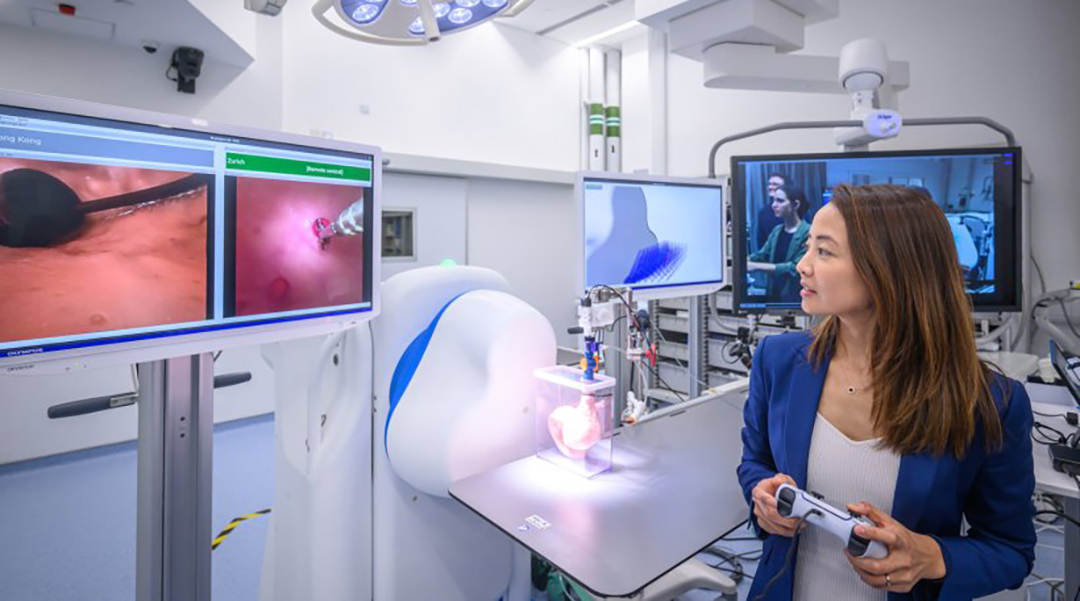
A new teleoperated robot makes it possible to perform endoscopes remotely, making the procedure available in underserviced regions.
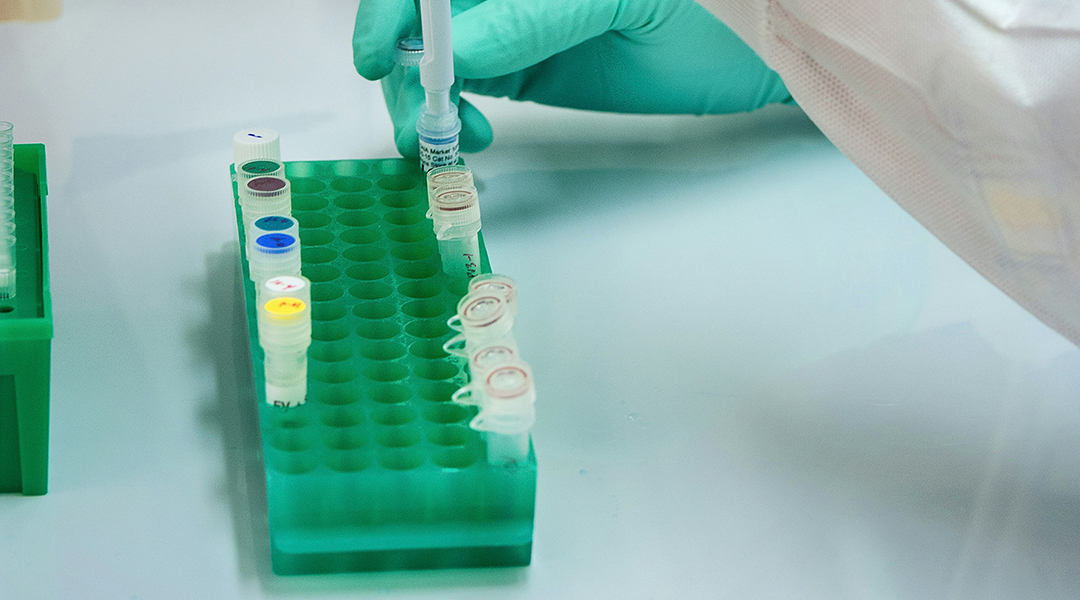
Scientists are using decorated nanoparticles to precisely target tumors with chemotherapy, effectively reducing side effects.

Scientists have discovered that human and dog brain waves synchronize during social interactions, offering new insights into our unique bond.
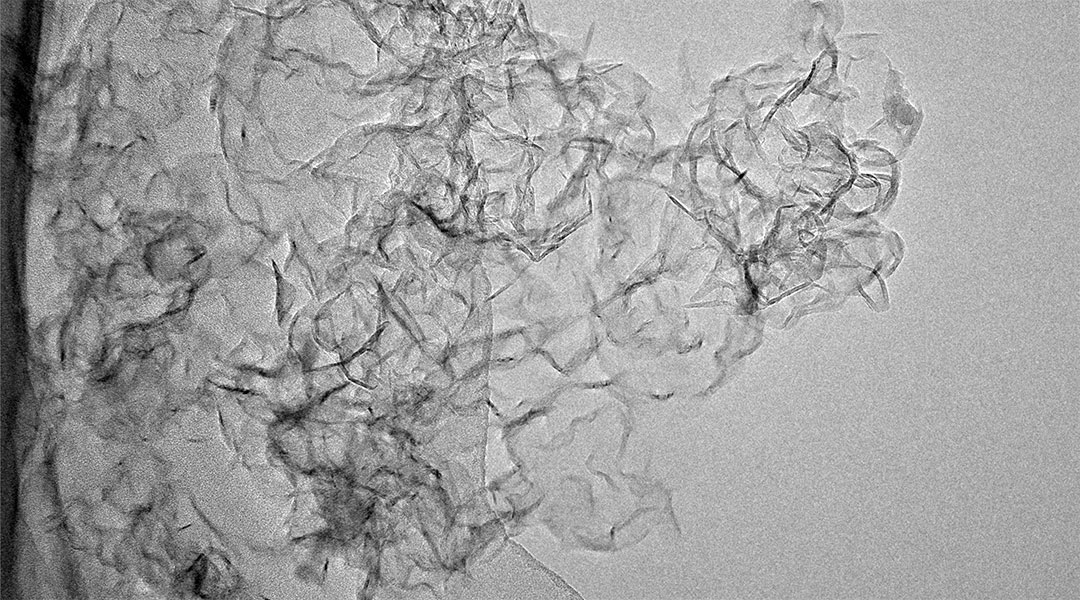
Scientists convert harmful microplastics into valuable graphene using plasma, offering a promising solution for this type of pollution.
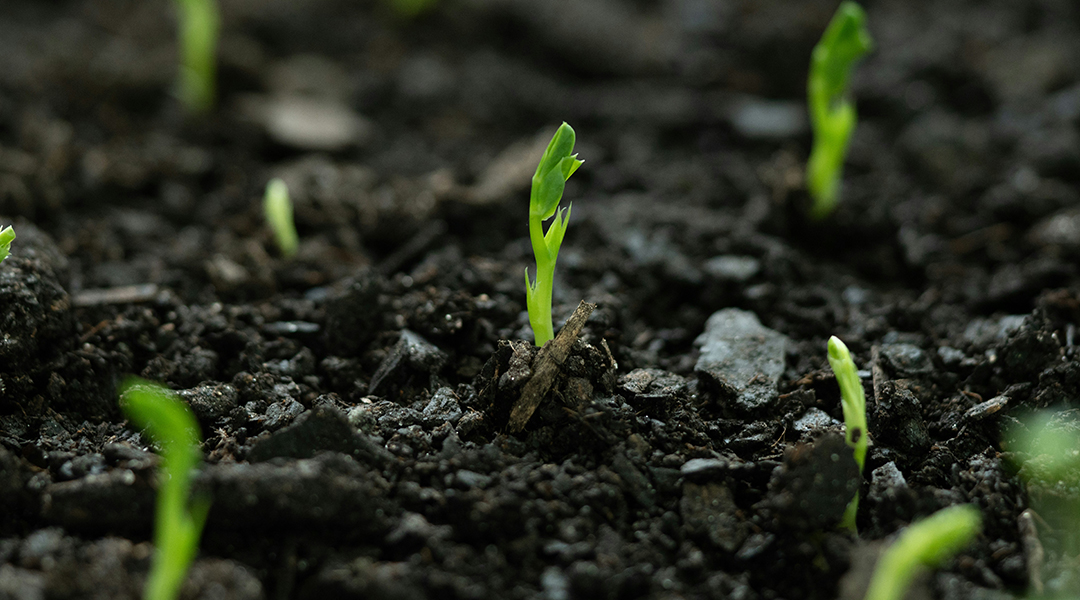
Just like our gut has helpful microbes, so too does the soil around plant roots. But what happens when antibiotics disrupt this balance?
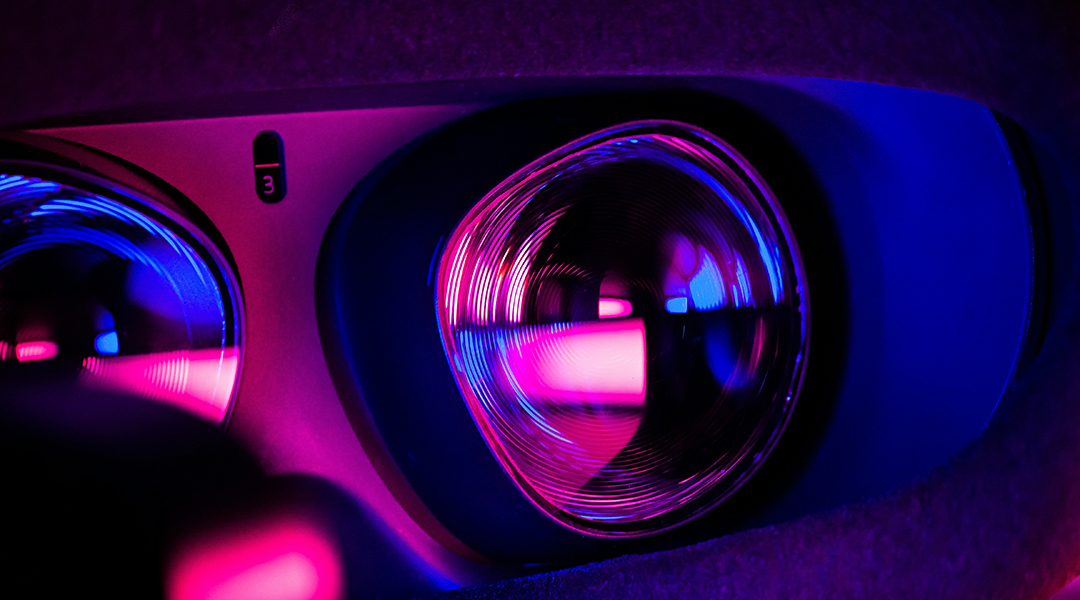
A better way to fabricate metasurfaces allows scientists to create contact lenses capable of projecting 3D holographic images.
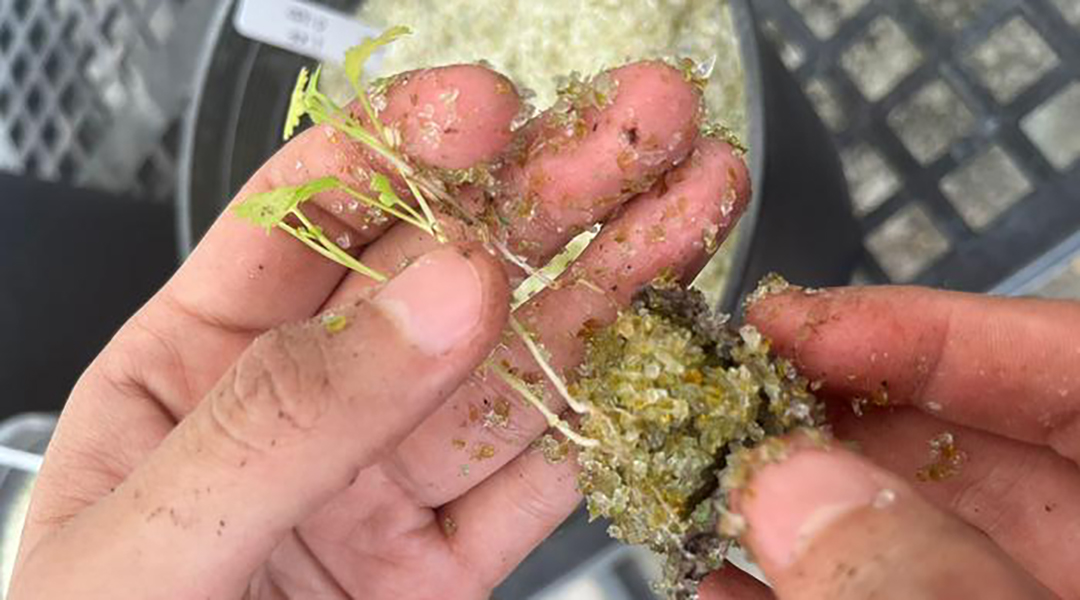
Pilot study explores how recycled glass is being used to grow salsa ingredients, protect coastlines, and safeguard the future of farming.
 New theory suggests gravity is not a fundamental force
 Higgs boson may be driving the Universe’s expansion
 Water-powered gadgets may be on the horizon thanks to new evaporation-based energy device
 Scientists discover a new class of antibiotics
 Micron-sized hidden dimensions could solve two of physics’ deepest puzzles
 A new type of dark matter could explain mysterious radiation from the Milky Way’s core