A new method of making ferroelectrics that uses a heated probe tip means they can be produced directly on virtually any substrate and in any shape.
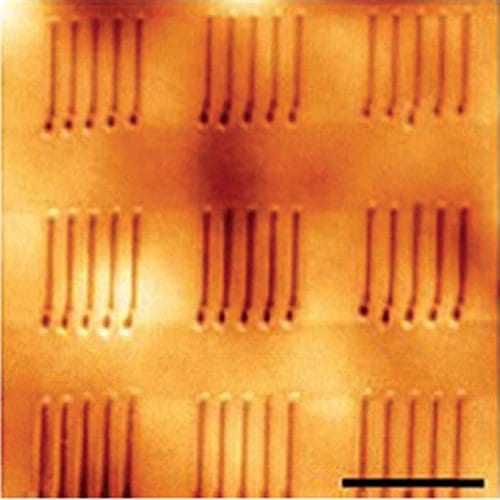

A new method of making ferroelectrics that uses a heated probe tip means they can be produced directly on virtually any substrate and in any shape.
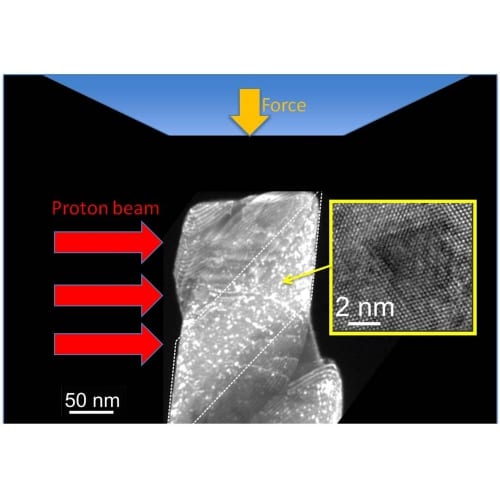
A new method for testing irradiated materials on the nanoscale could reduce the risk of a repeat of the recent events in Fukushima

Biological synaptic behaviour related to short- and long-term memory creation is mimicked by inorganic devices.
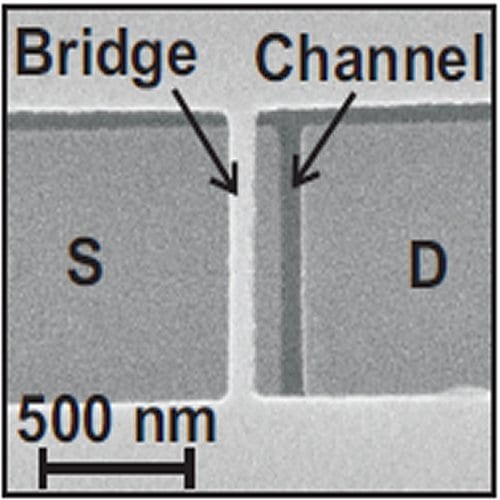
Very small organic thin-film transistors with high operating frequencies have been produced by Japanese and German scientists.
A comprehensive study of plastic substrates can help you choose the right one for your device.
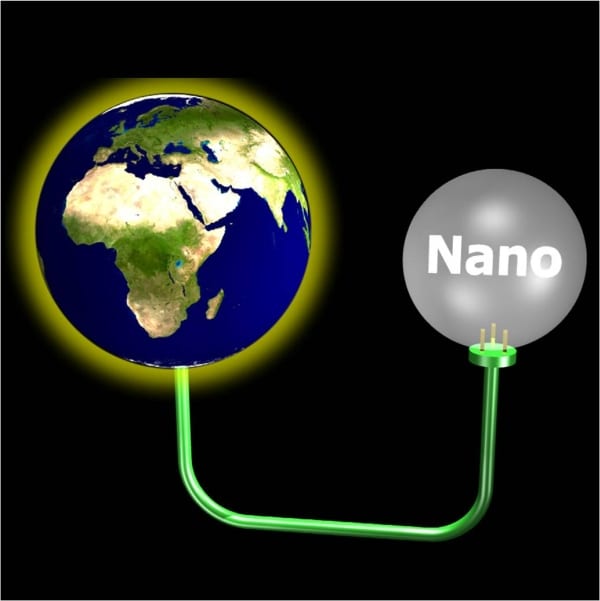
How can nanomaterials make a difference in the grand challenge: efficient and green global scale production, storage and use of energy? Professor Geoffrey Ozin from the University of Toronto gives his response to this question.
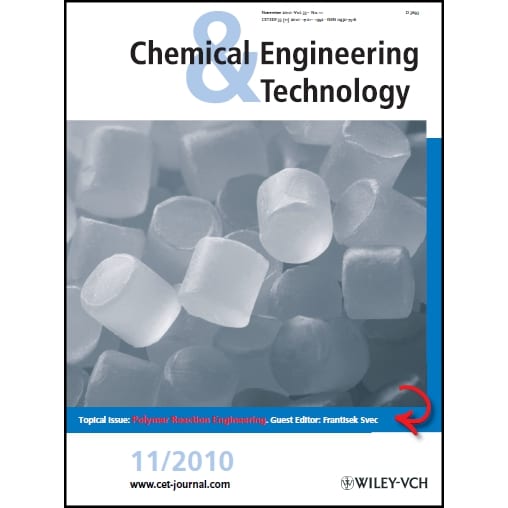
New special issue on cutting edge developments in the field of polymer reaction engineering.
In this latest author commentary, Dr. Tsukasa Yoshida reveals the story behind his Feature Article in Advanced Functional Materials
The sample size of nanomaterials with functional properties has been limited to just a few millimeters. This fact has limited their commercial use, so far.
Nanospheres made of aromatic amino acids: The most rigid organic nanostructures to date.
 New theory suggests gravity is not a fundamental force
 Higgs boson may be driving the Universe’s expansion
 Water-powered gadgets may be on the horizon thanks to new evaporation-based energy device
 Scientists discover a new class of antibiotics
 Micron-sized hidden dimensions could solve two of physics’ deepest puzzles
 A new type of dark matter could explain mysterious radiation from the Milky Way’s core