Weaving piezoelectric polymers into nanofibers reveals a surprising pathway to boost stem cell growth naturally, without external power.
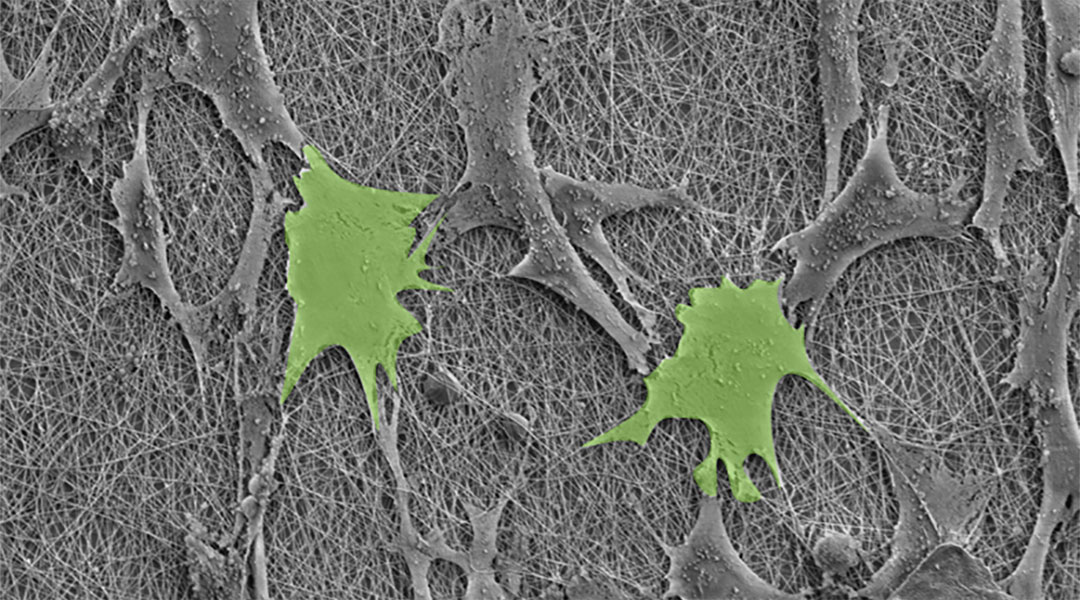

Weaving piezoelectric polymers into nanofibers reveals a surprising pathway to boost stem cell growth naturally, without external power.
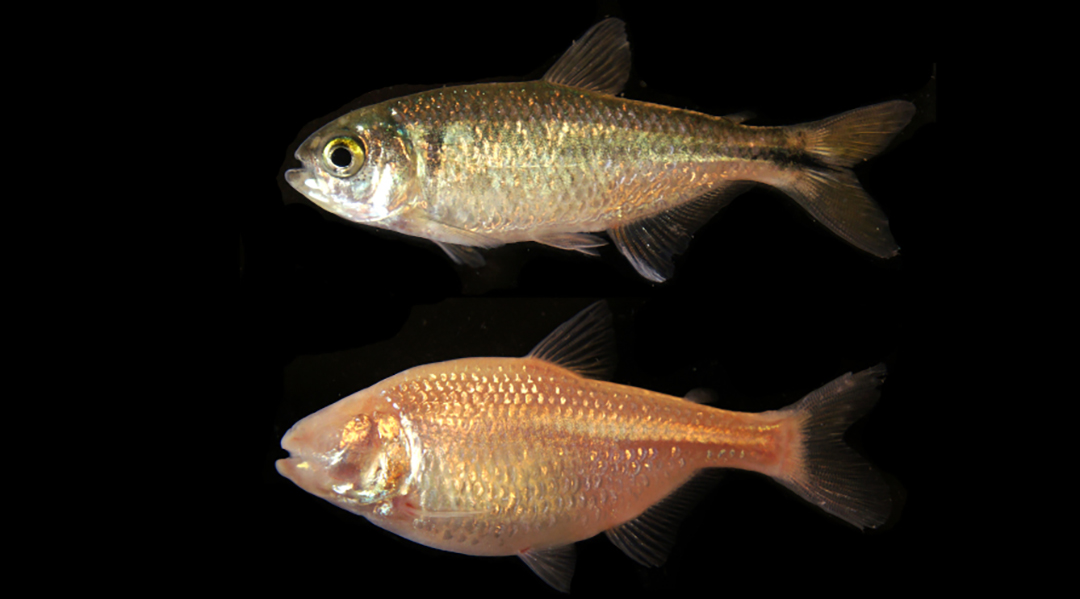
Cavefish studies hint at ketogenic diet’s impact on autism-like behavior, opening new paths for understanding and treatment.
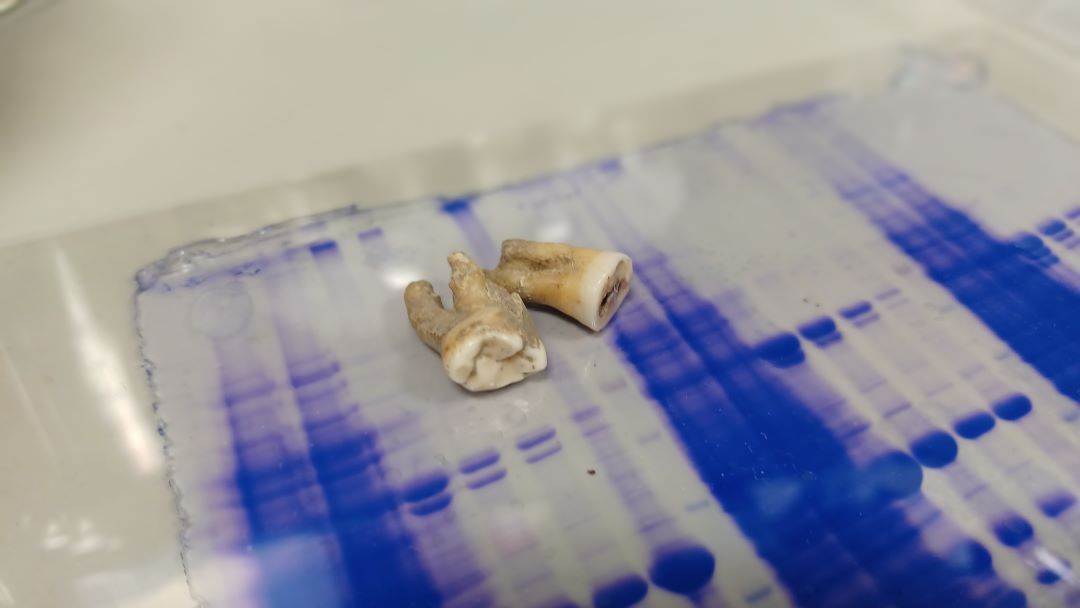
Research teams from the UK have isolated antibodies preserved for 800 years in ancient teeth and found they are still able to bind viruses that infect humans today.
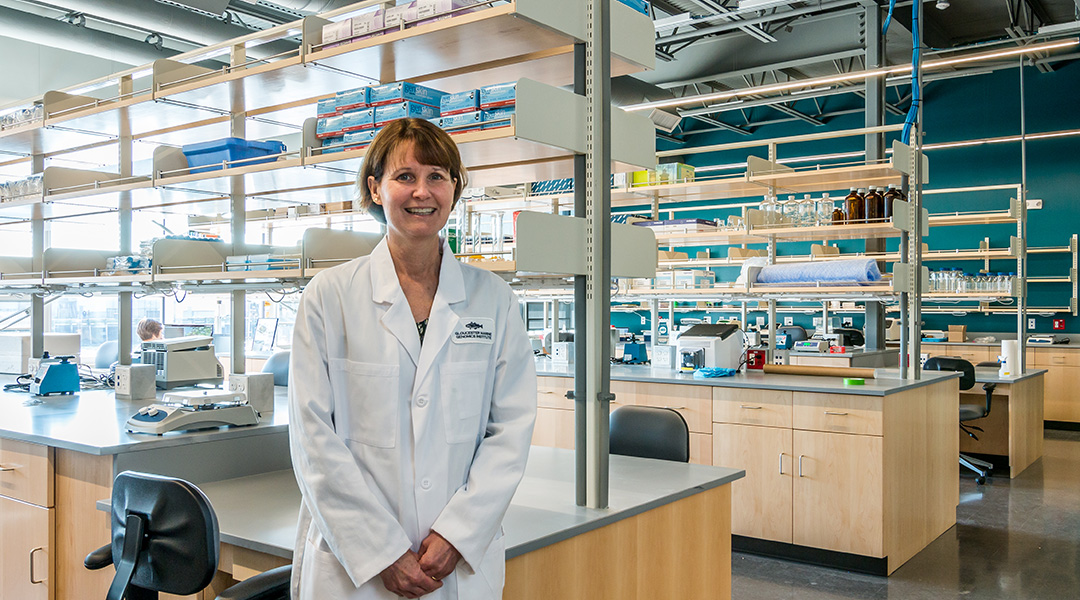
Andrea Bodnar, a biochemist by training, is leading researchers who strive to unlock the mysteries of marine life, promote sustainability, and inspire the next generation of scientists.
What if quantum computing could be simulated using hardware that isn’t so finicky?

Promising candidates for efficient future electronics, researchers are exploring these exotic materials for better computer memory, hard drives, even quantum computers.
AI is changing the labor-intensive process of manual cell counting, offering improved accuracy, efficiency, and a door into new scientific applications.
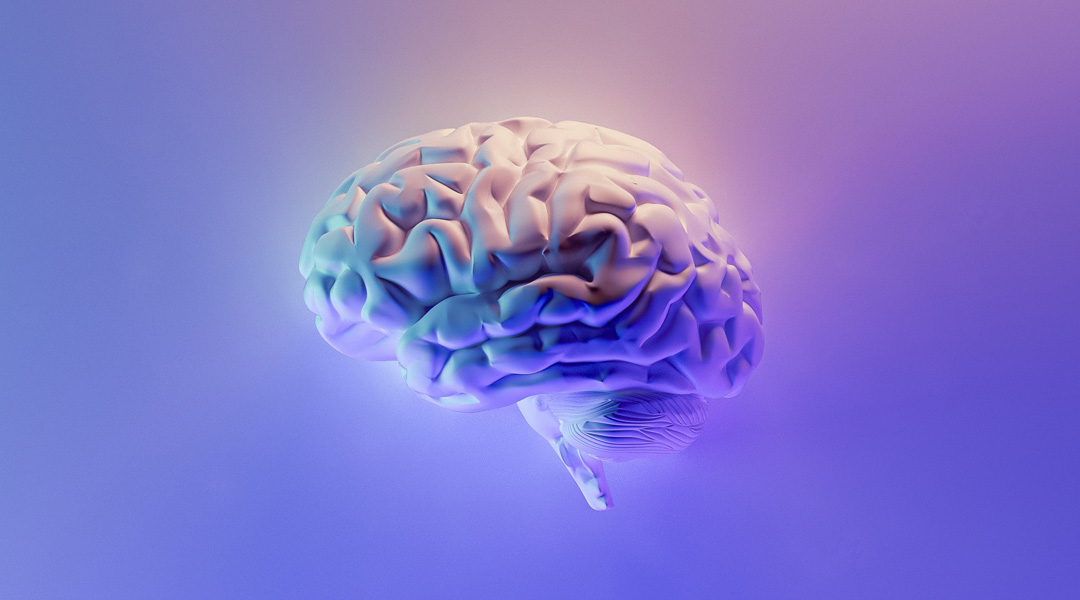
When building a functional model of the brain, it’s crucial to think about more than just neurons.

Is AI that predicts which paintings are memorable and famous, regardless of content, style, or context, a threat to creativity or tool for positive change?

Turbulence is hard to control, but a turbulent blob created using vortex rings provides fundamental insights into this elusive state of matter.
 New theory suggests gravity is not a fundamental force
 Higgs boson may be driving the Universe’s expansion
 Water-powered gadgets may be on the horizon thanks to new evaporation-based energy device
 Scientists discover a new class of antibiotics
 Micron-sized hidden dimensions could solve two of physics’ deepest puzzles
 A new type of dark matter could explain mysterious radiation from the Milky Way’s core