Pudding-like implants with a sugar-based delivery system show promise in reducing the foreign body response against brain implants.
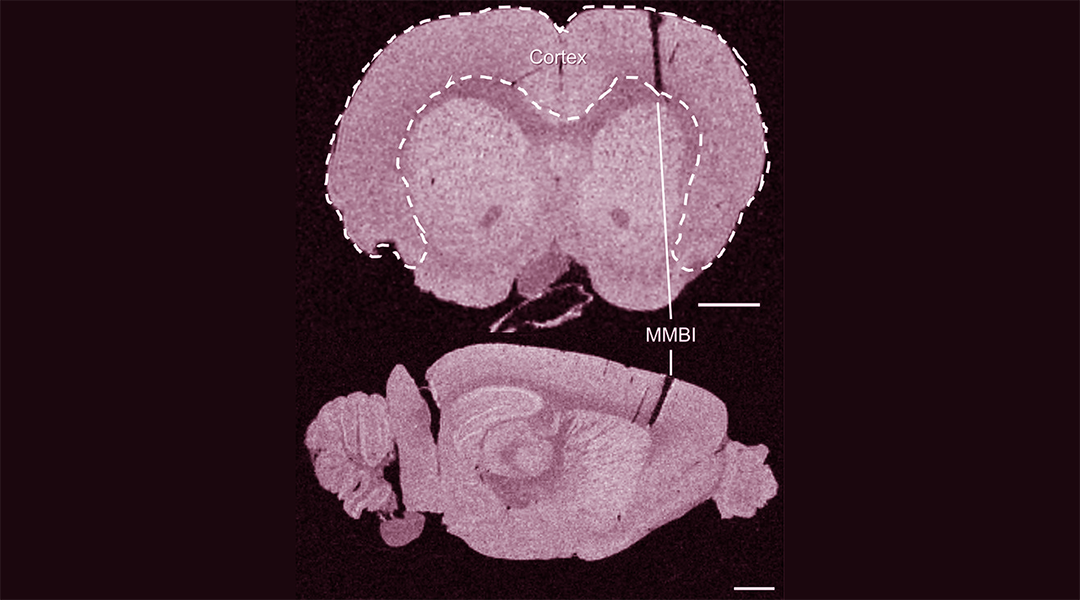

Pudding-like implants with a sugar-based delivery system show promise in reducing the foreign body response against brain implants.

The “metal-eating” robot can follow a metal path without using a computer or needing a battery.
A new study provides hope for Parkinson’s disease, showing that neuron grafts using patients’ own cells have the potential to manage and even reverse symptoms.
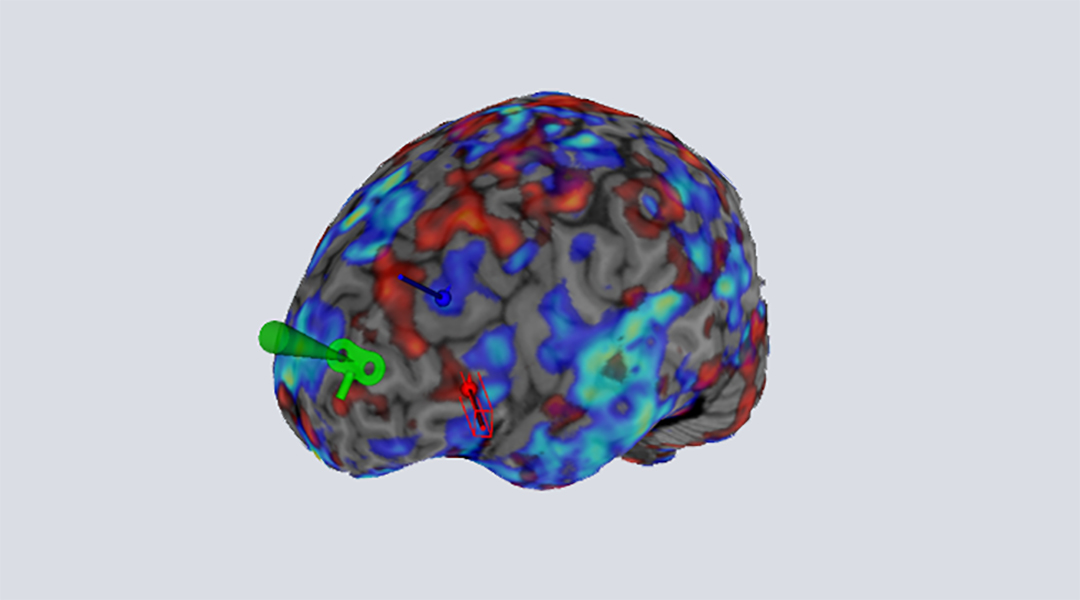
Taking advantage of progress made in neuroimaging, researchers hope that personalized treatments for mental disorders using brain stimulation therapies will be the way forward.
An intelligent material that learns by physically changing itself, similar to how the human brain works, could be the foundation of a completely new generation of computers.
Personalized medicine for diseases that affect the central nervous system requires renewed focus on visualising the behaviour of drugs in the brain.
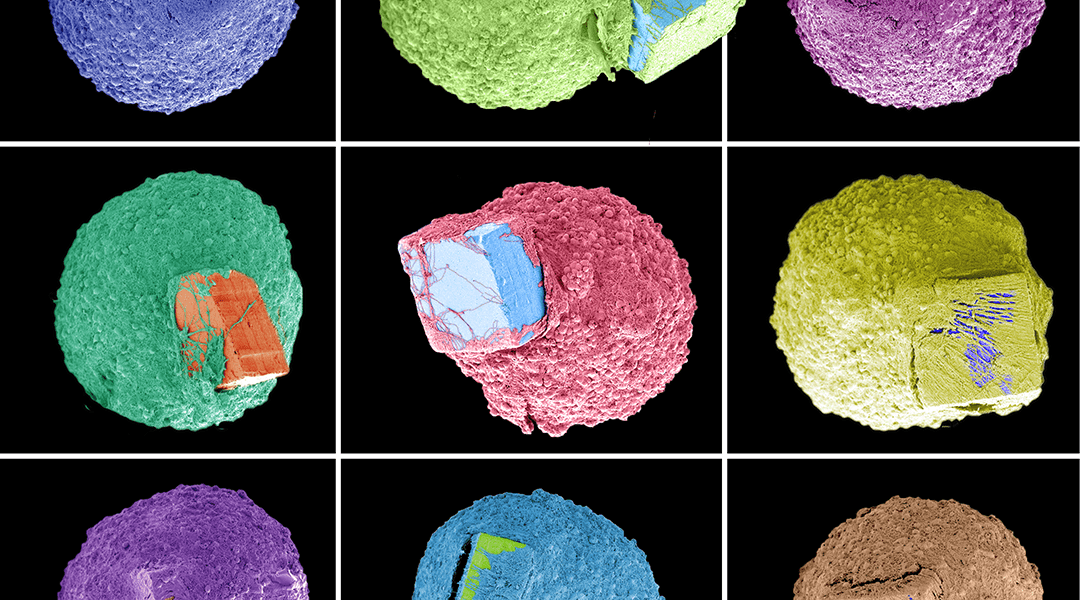
Researchers successfully grow 3D brain tissue on fully-integrated microchips for neural biosensing applications.
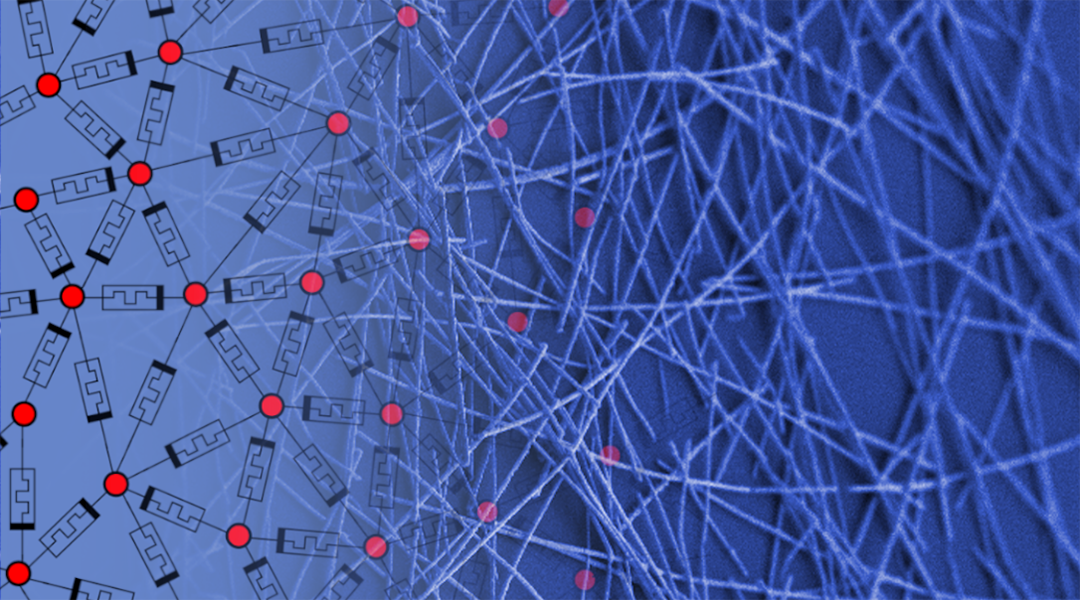
A new bottom-up network built from randomly distributed nanowires can learn, compute, and adapt like a human brain.
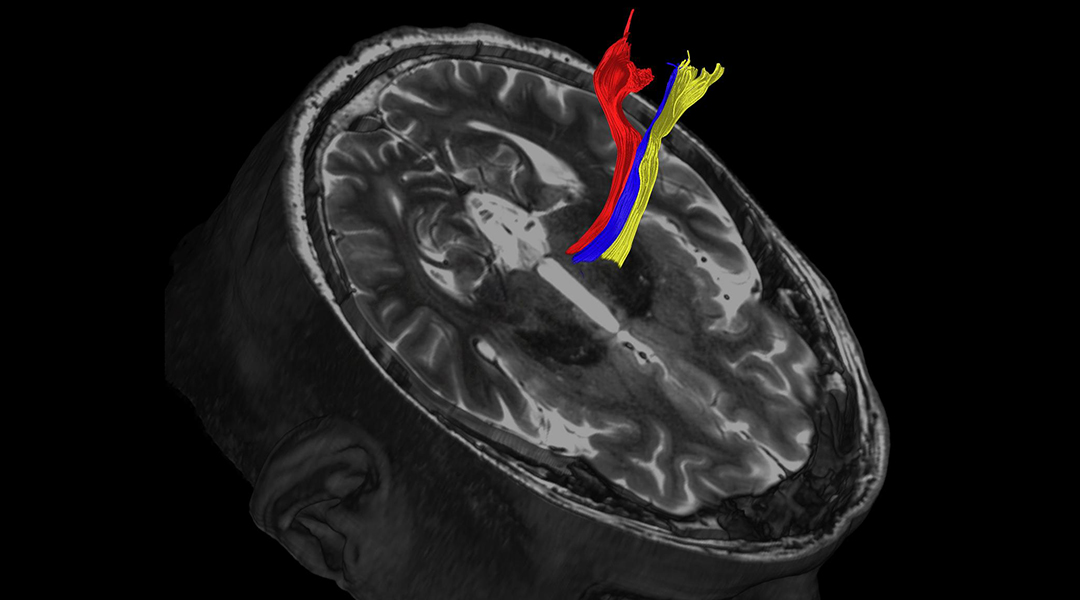
Advanced MRI scans may improve treatment of tremors in patients with Parkinson’s disease.
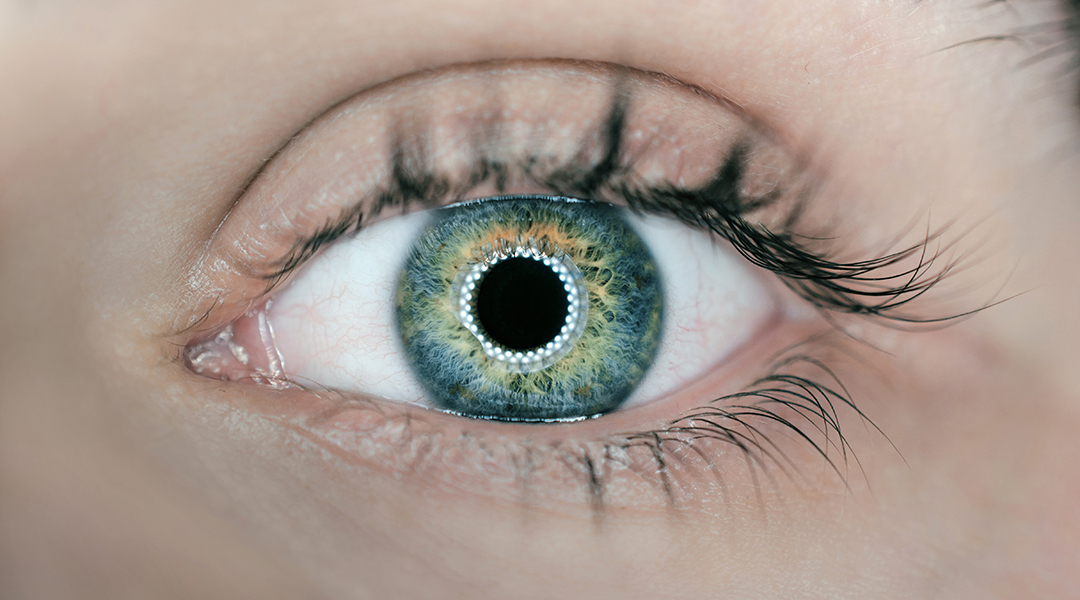
Smart contact lenses could revolutionize the way in which we monitor brain activity and diagnose neurological diseases.

 Micron-sized hidden dimensions could solve two of physics’ deepest puzzles
 Turning Periods into Power: Menstrual Blood a Valuable Resource for Medical Diagnostics
 Surfactants Steer Supraparticle Structure
 Bone loss in obesity traced to gut microbiota
 Edible electronics realize safe, complex monitoring devices
 Fermilab Confirms Muon g-2 Measurements