A virus-based treatment for stroke rebuilds neural connections and vascular networks in the brain.
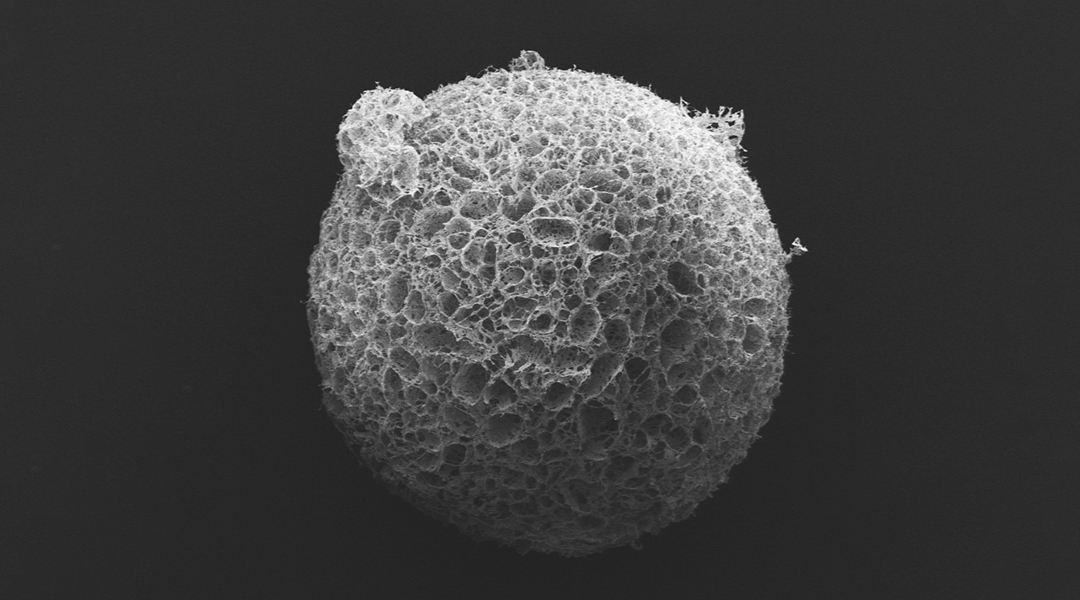

A virus-based treatment for stroke rebuilds neural connections and vascular networks in the brain.
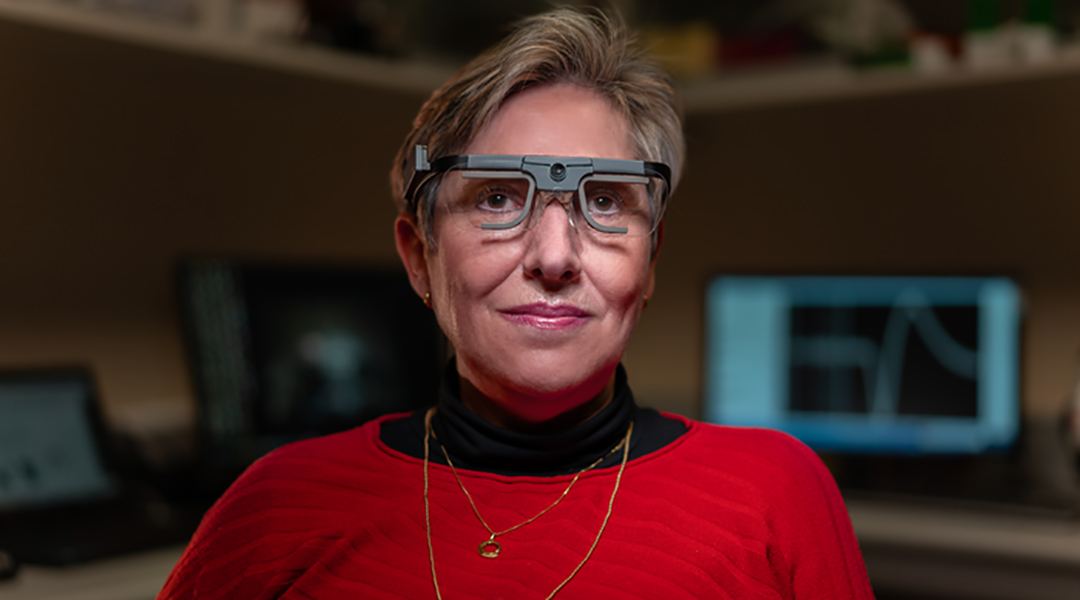
A microelectrode array no bigger than a penny gives hope to restoring sight in blind people.
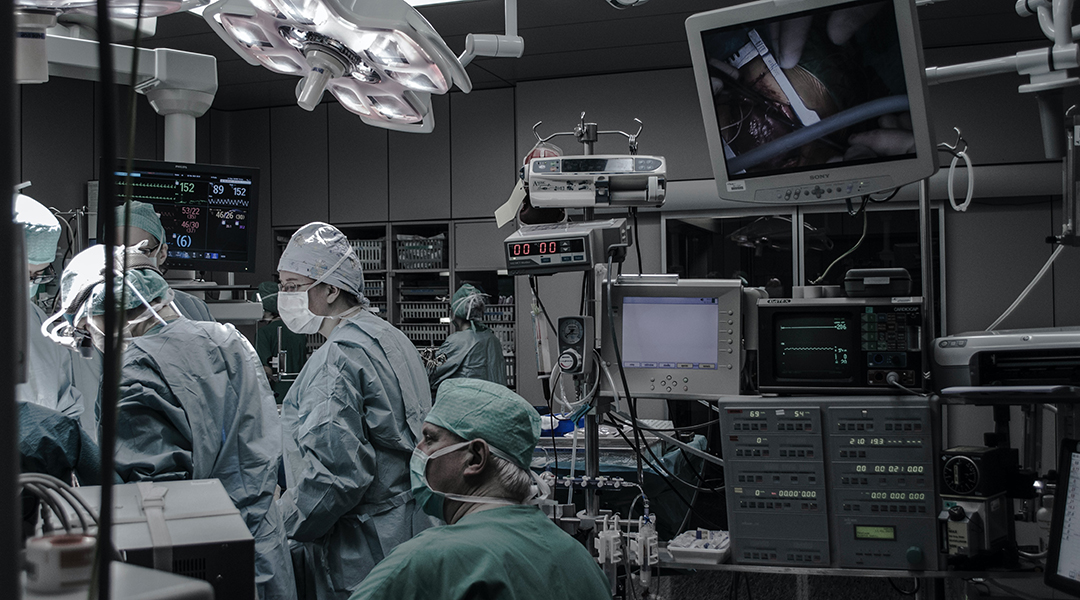
A lubricating coating minimizes tissue damage and the body’s immune response for safer, long-lasting implantable medical devices.
An artificial synapse capable of simultaneously detecting neurotransmitters and light mimics memory and learning processes found in the brain.
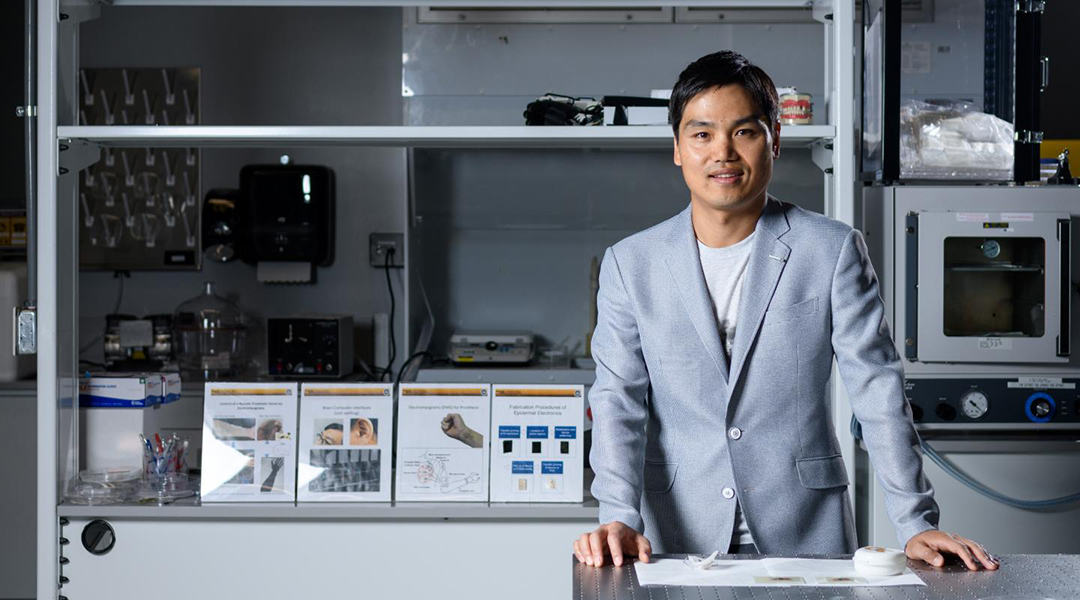
Accurately measuring brain signals is critical to determining what actions a user wants to perform.
A drug that changes conformation in response to light allows researchers to manipulate neural activity and investigate the link between brain states and behavior.
“Brain-on-a-chip” shows minute-by-minute how the blood–brain barrier reacts to high levels of inflammation.
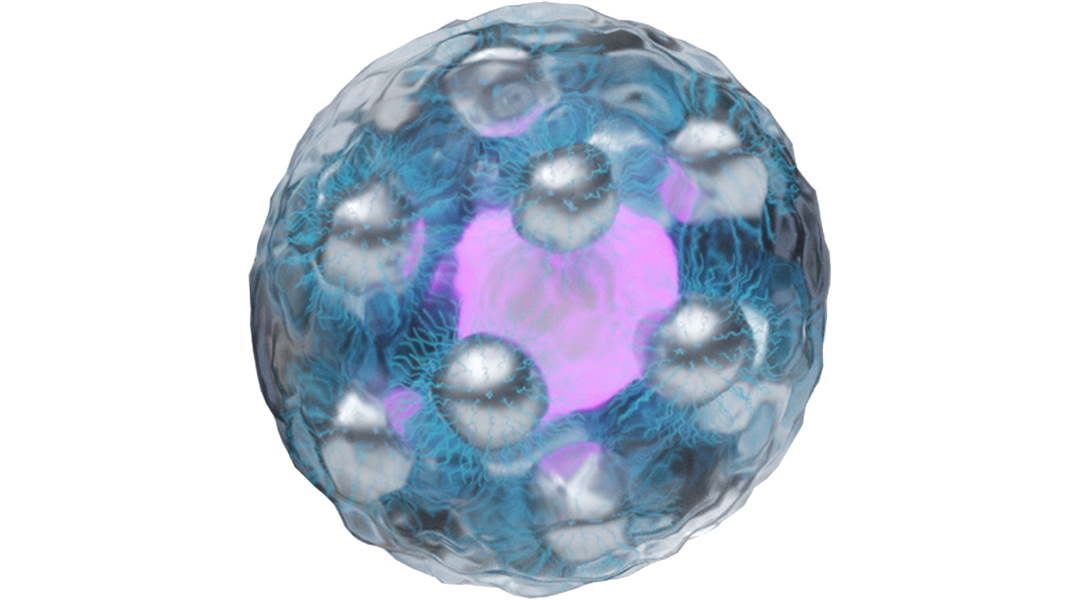
A minimally invasive method holds promise for the treatment of neurological disorders and injury.
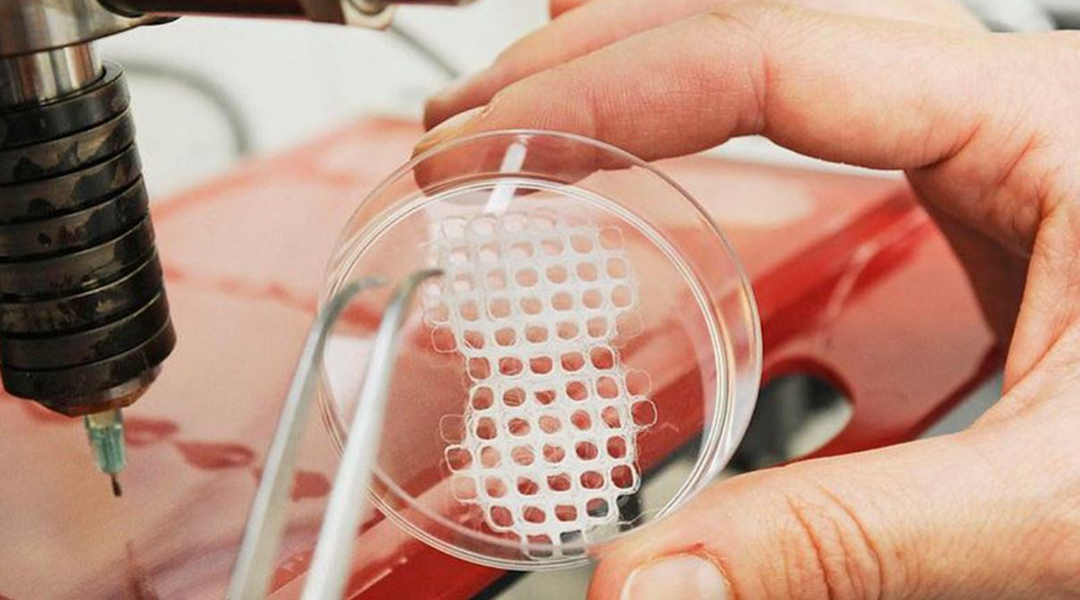
Machine vision and artificial intelligence can fine tune medical 3D printers to enable custom made tissue implants to suit the individual patient.
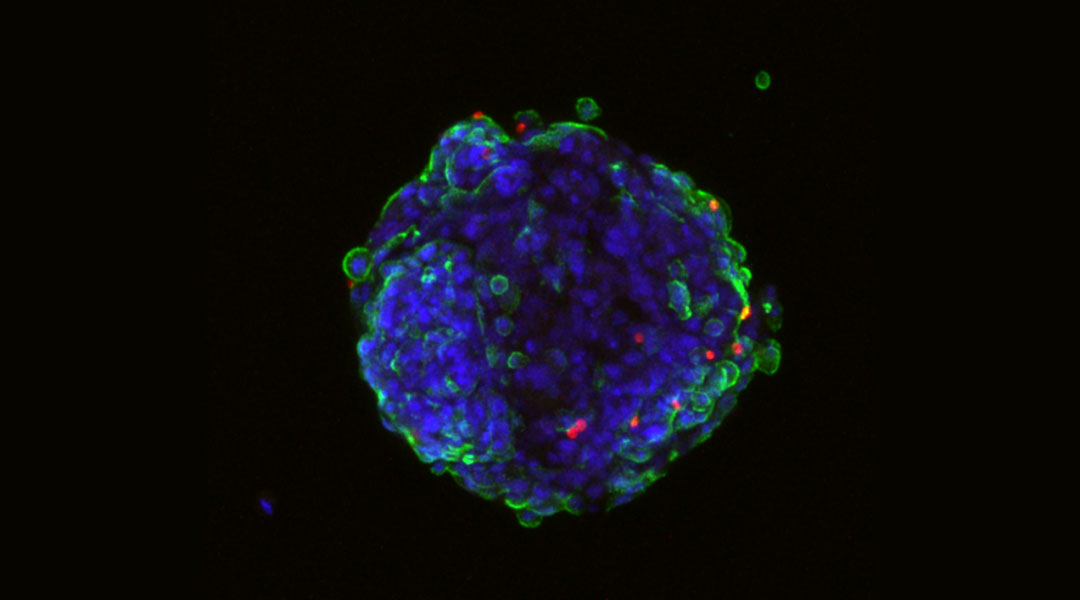
Researchers uncover how malaria infiltrates the blood–brain barrier and contributes to disease severity.

 Micron-sized hidden dimensions could solve two of physics’ deepest puzzles
 Turning Periods into Power: Menstrual Blood a Valuable Resource for Medical Diagnostics
 Surfactants Steer Supraparticle Structure
 Bone loss in obesity traced to gut microbiota
 Edible electronics realize safe, complex monitoring devices
 Fermilab Confirms Muon g-2 Measurements