This new brain–computer interface detects weakened brain signals and boosts them to healthy levels, potentially reversing cognitive aging in the brain.


This new brain–computer interface detects weakened brain signals and boosts them to healthy levels, potentially reversing cognitive aging in the brain.
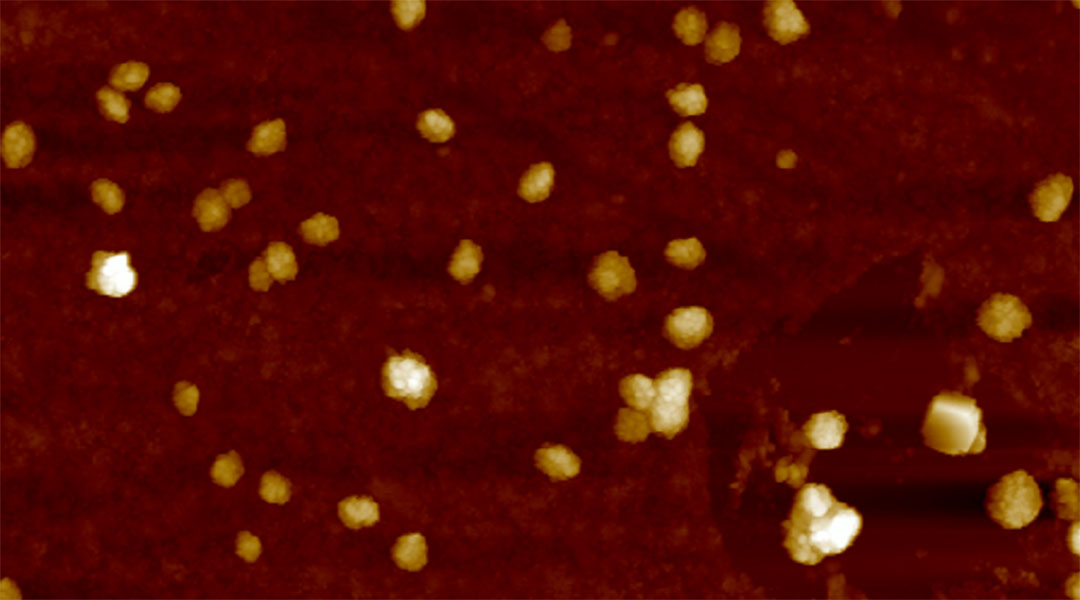
Peptide-laden vesicles light up in the presence of amyloid beta, providing an early diagnostic test (and possible treatment) for Alzheimer’s.
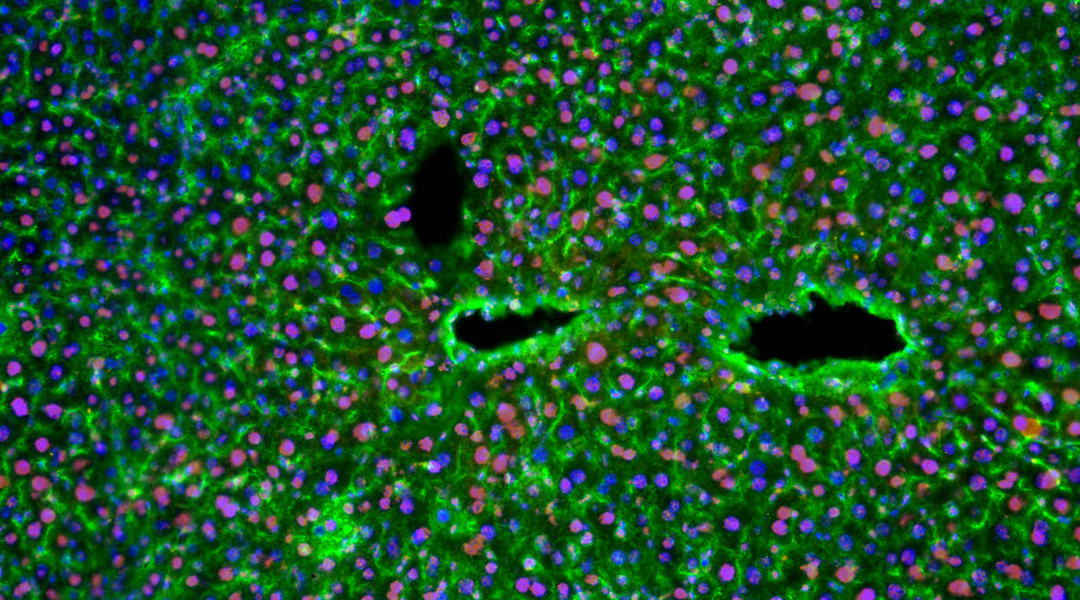
A new study finds that amyloid beta, a culprit in Alzheimer’s disease, is important for maintaining a healthy liver.
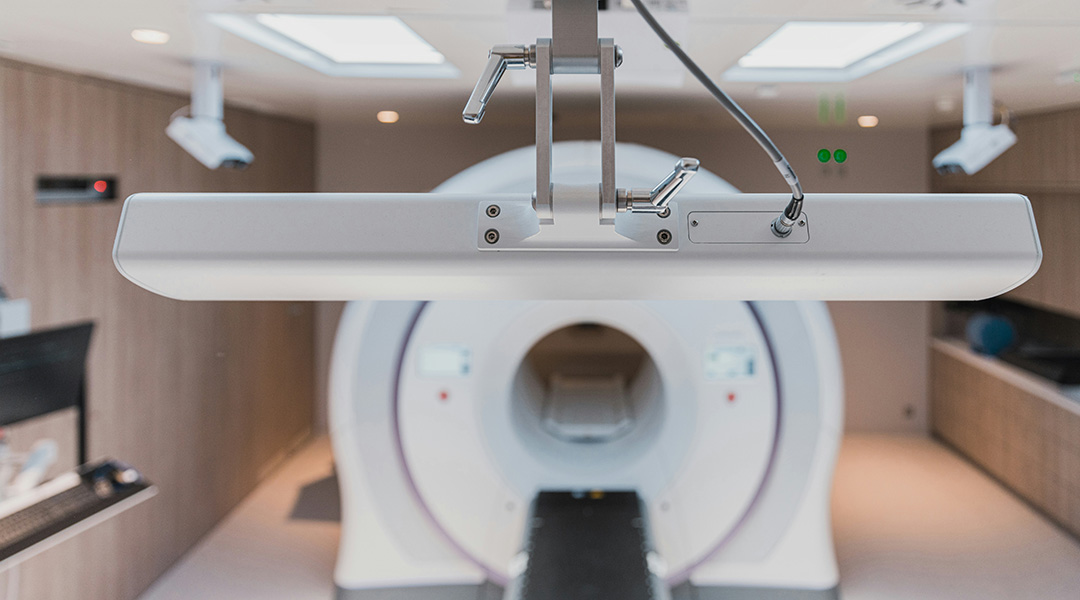
The system could be used by surgeons performing procedures to treat brain tumors and Parkinson’s disease.

Researchers have found a trade-off with screen time and the cognition, behavior, and brains volume of adolescent and young children.
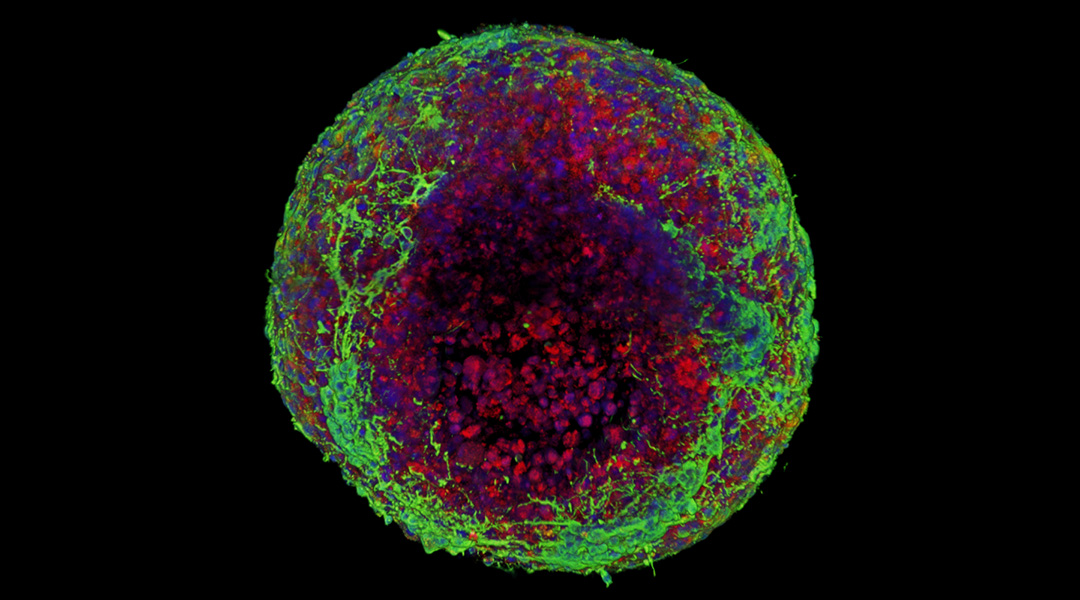
Growing brain tissue requires capturing the realistic “squishiness” and cohesion between cells, but how each cell type contributes has been a mystery.

A previously unknown mechanism involving the brain’s blood vessels reveals the intricate process of long-term memory formation.

Learning from experience was believed to be restricted to more advanced creatures, but in a first, Caribbean jellyfish were shown to learn from past mistakes.

Scientists delve into how repairing dysfunctional brain circuits in Parkinson’s can offer another path forward for new treatment strategies.
When building a functional model of the brain, it’s crucial to think about more than just neurons.

 Micron-sized hidden dimensions could solve two of physics’ deepest puzzles
 Turning Periods into Power: Menstrual Blood a Valuable Resource for Medical Diagnostics
 Surfactants Steer Supraparticle Structure
 Bone loss in obesity traced to gut microbiota
 Edible electronics realize safe, complex monitoring devices
 Fermilab Confirms Muon g-2 Measurements