With the help of machine learning, a skin-like sensor internalizes different stimuli, allowing it to read and interpret hand movement.


With the help of machine learning, a skin-like sensor internalizes different stimuli, allowing it to read and interpret hand movement.
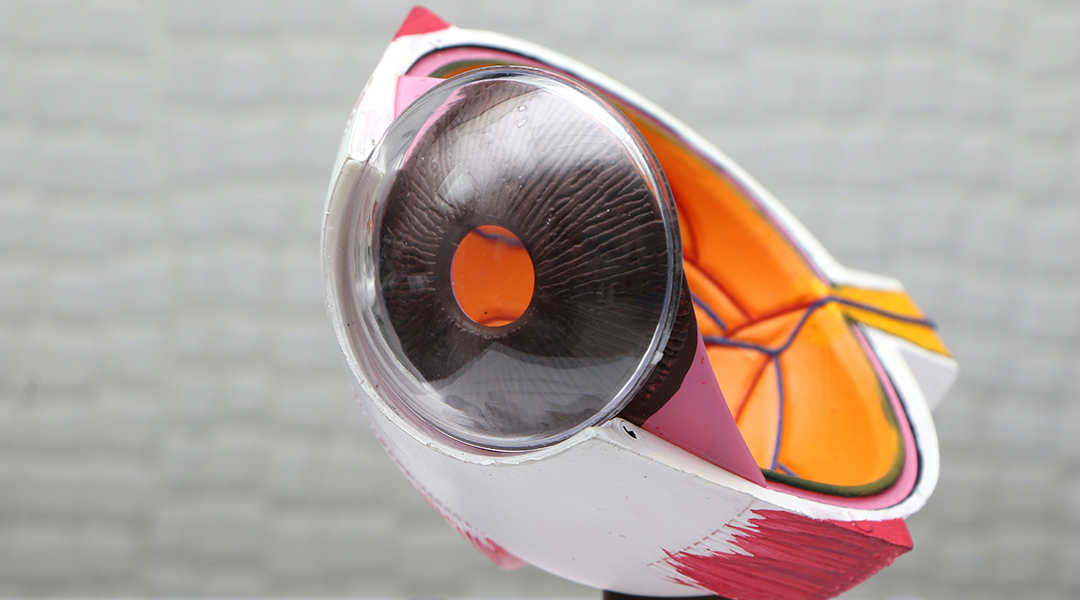
A tiny battery built into smart contact lenses produces its own power through eye blinking, relying on tears and oxygen to power its cells.
An in-memory computing prototype provides a promising solution for edge computing systems to implement continual learning.

Researchers calculate the automation risk of almost 1000 existing occupations and provide alternatives based on skill set.

A new true random number generator offers better encryption by taking advantage of a flaw in memristor memory devices.
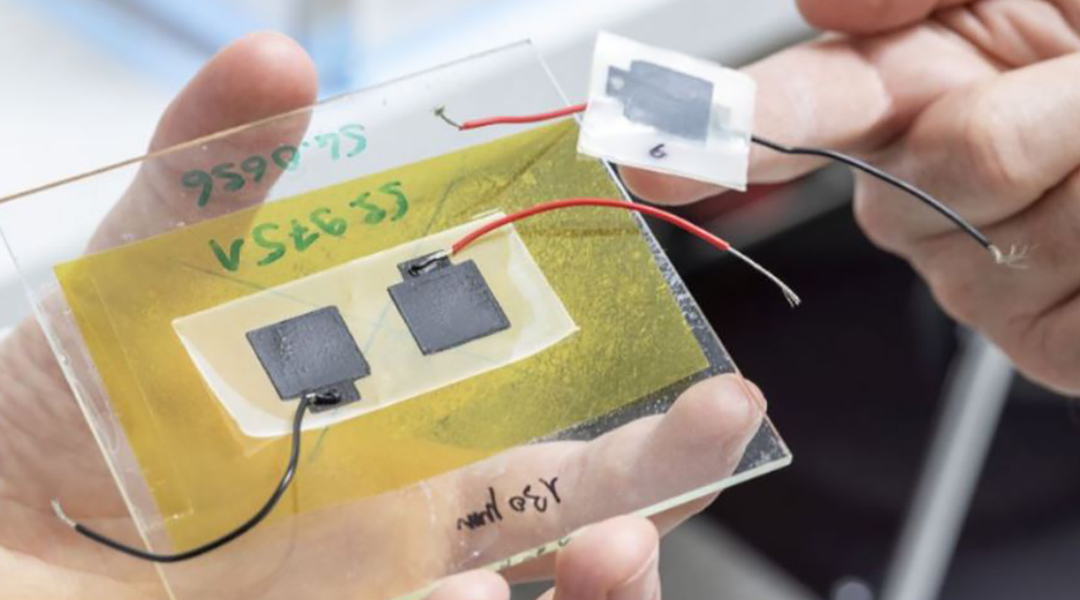
Researchers build a biodegradable mini-capacitor that consists of carbon, cellulose, glycerin, and table salt — and it works reliably.
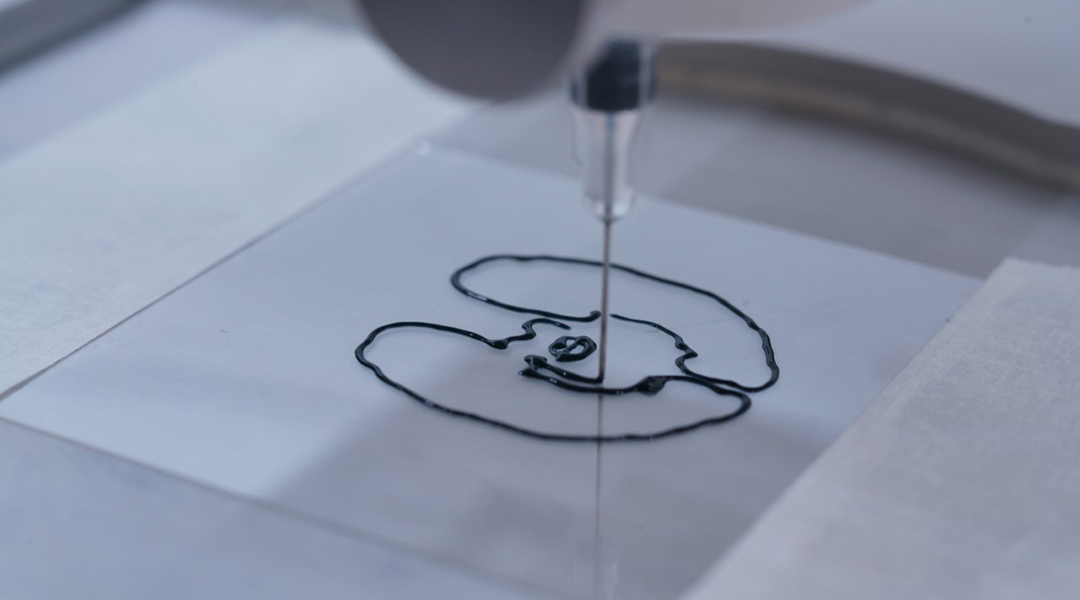
Researchers demonstrate the controlled growth of artificial synapses, paving the way for computers that can grow, evolve, and adapt like the human brain.
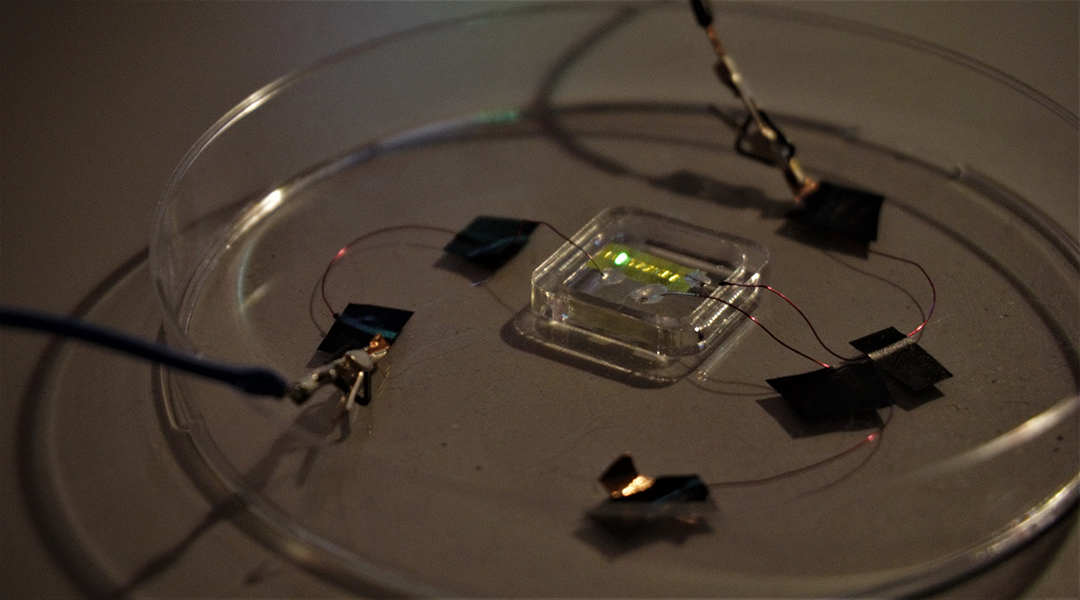
A new fabrication method allows researchers to create ultra-thin OLED materials that can be applied to the skin using temporary tattoo paper.
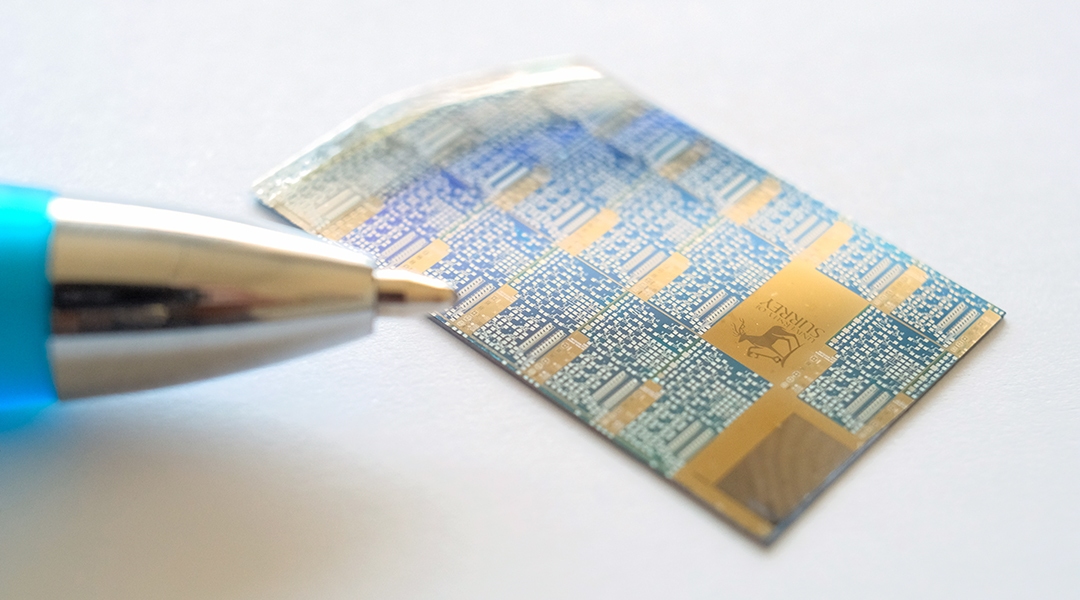
Multimodal thin-film transistors, or MMTs, could be pivotal in designing the next-generation of wearables and eco-disposable sensors.
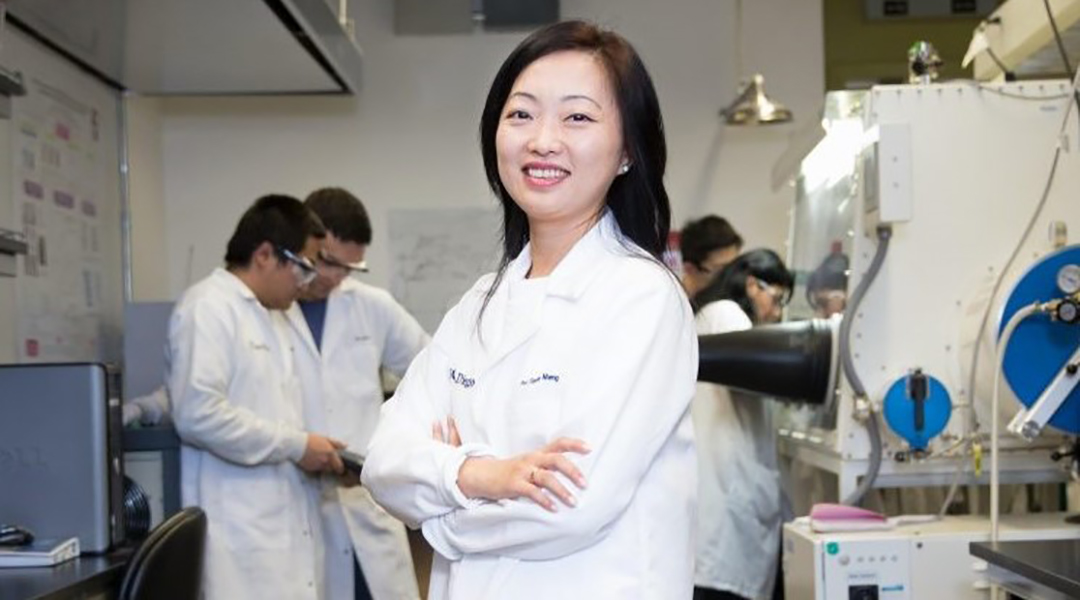
The materials scientist talks about the challenges in finding work/life balance, her research in sustainable energy storage, and how Chinese calligraphy has shaped her way of thinking.
 Soy protein fuels the future of eco-friendly solid-state batteries
 Microneedles enable 98% smaller, cheaper artificial pancreas
 Machine learning identifies anti-aging neuroprotective treatments
 Quantum router preserving delicate photon states may advance quantum technologies
 Teaching machines to quiet the noise in quantum computers
 3D printed scaffolds bring artificial bone closer to reality