Subtle inflaton interactions may reshape our understanding of cosmic inflation, altering predictions about dark matter, black holes, and gravitational waves.

Subtle inflaton interactions may reshape our understanding of cosmic inflation, altering predictions about dark matter, black holes, and gravitational waves.
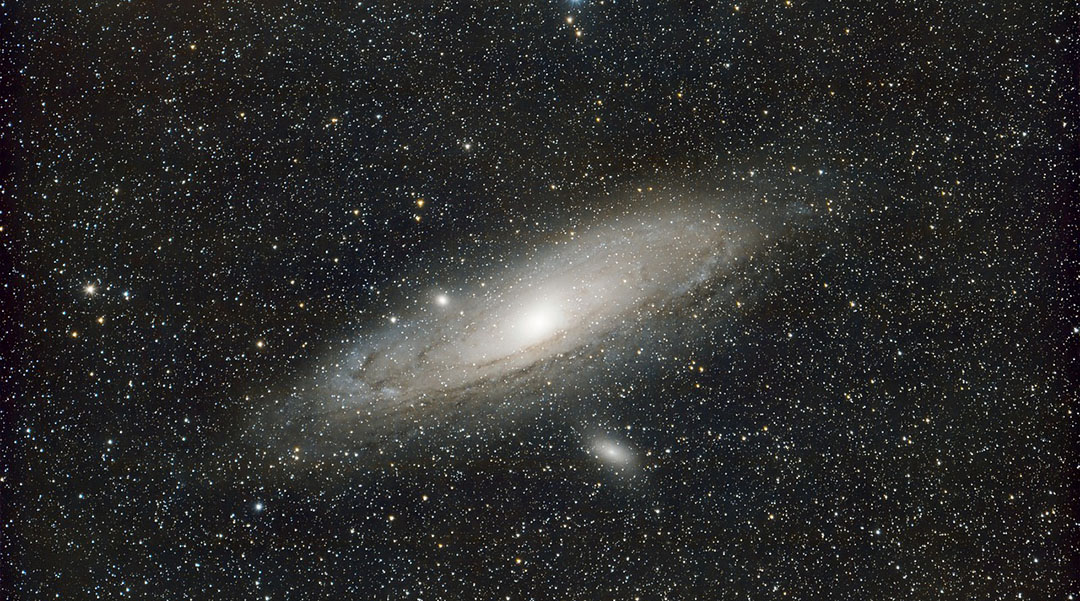
New observations suggest elongated gas filaments that stretch into space may be feeding supermassive black holes.

Scientists theorize that cosmic strings interacting with dense matter in the early universe provided the seeds for galaxies and black holes.
The discovery of colossal structures like the Big Ring is reshaping established theories about the physics of the Universe.

In this third and final article in a series on philosophy and science, we look at how modern science shows the validity of dialectical processes and how this can help guide science.
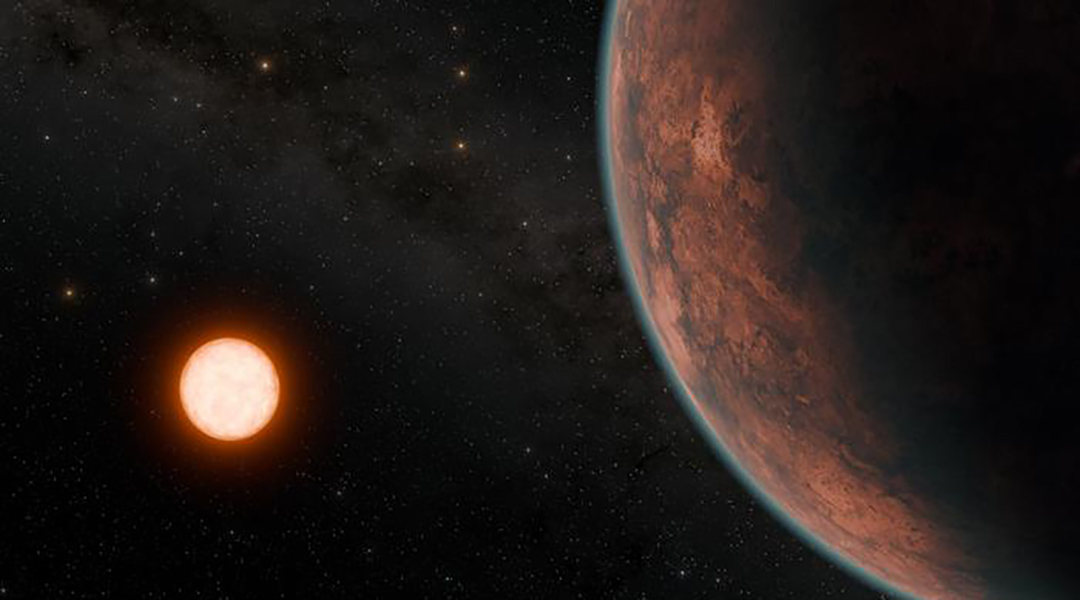
Orbiting a cool, red dwarf star, Gliese 12 b offers insight into atmosphere retention near stars, sparking new questions about habitability.
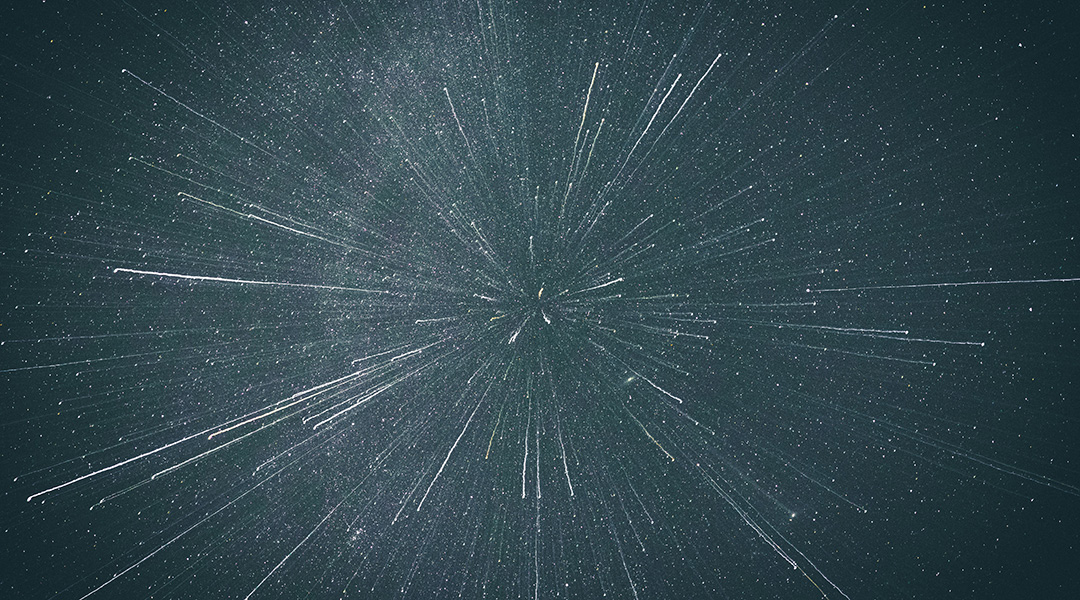
By adding primordial magnetic fields to the Standard Model, researchers may solve the mystery of the Universe’s expansion.
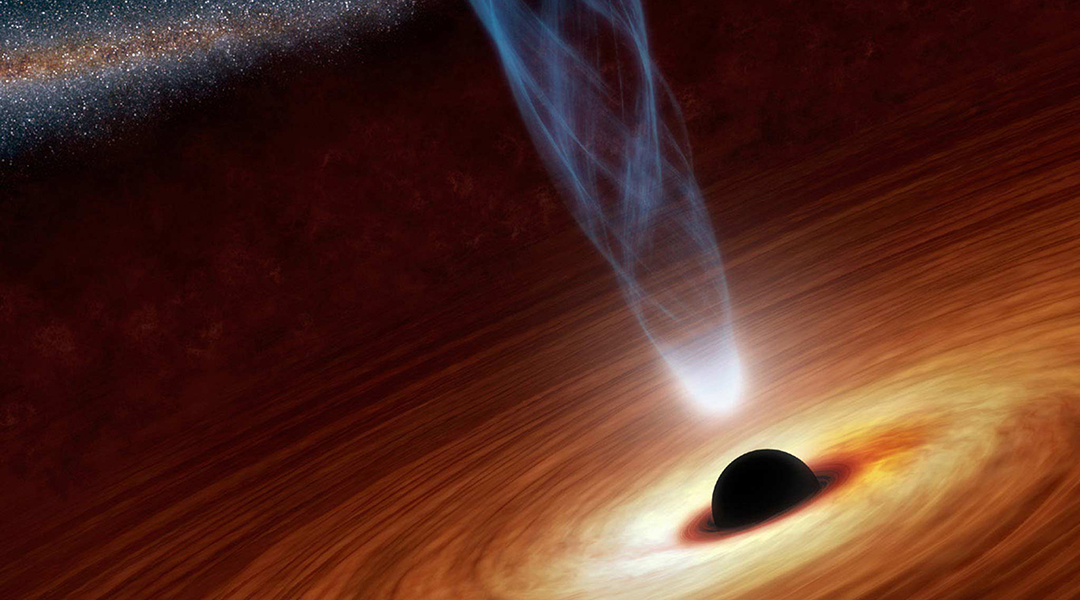
The burst of energy seems to represent the event horizon of the supermassive black hole in M87 extending outwards, suggesting how black holes could “leak” energy.
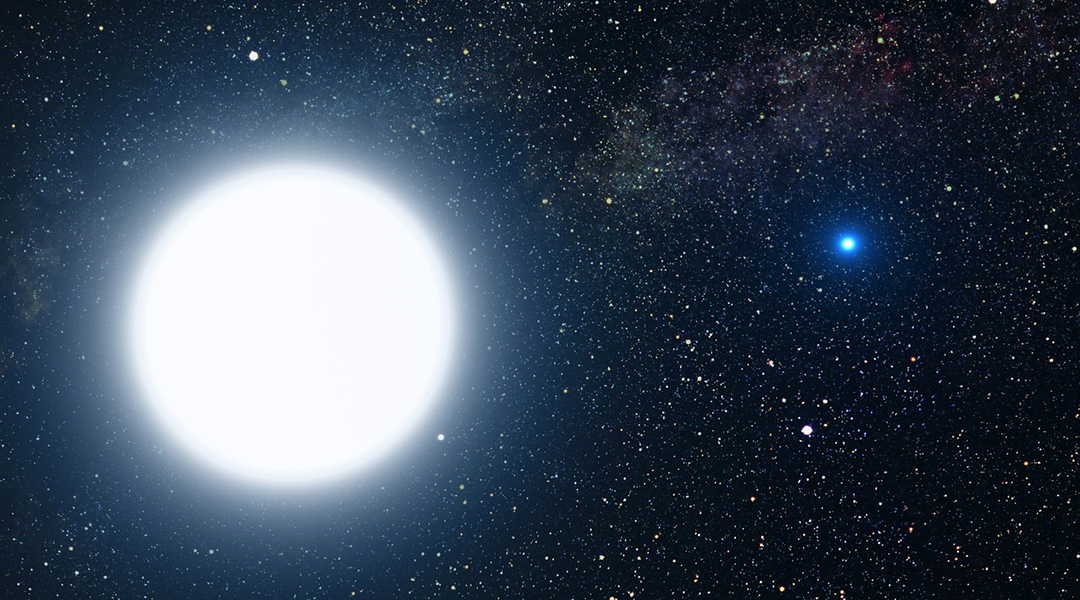
Due to their incredible density, astronomers believe white dwarfs might make the perfect dark matter detectors.
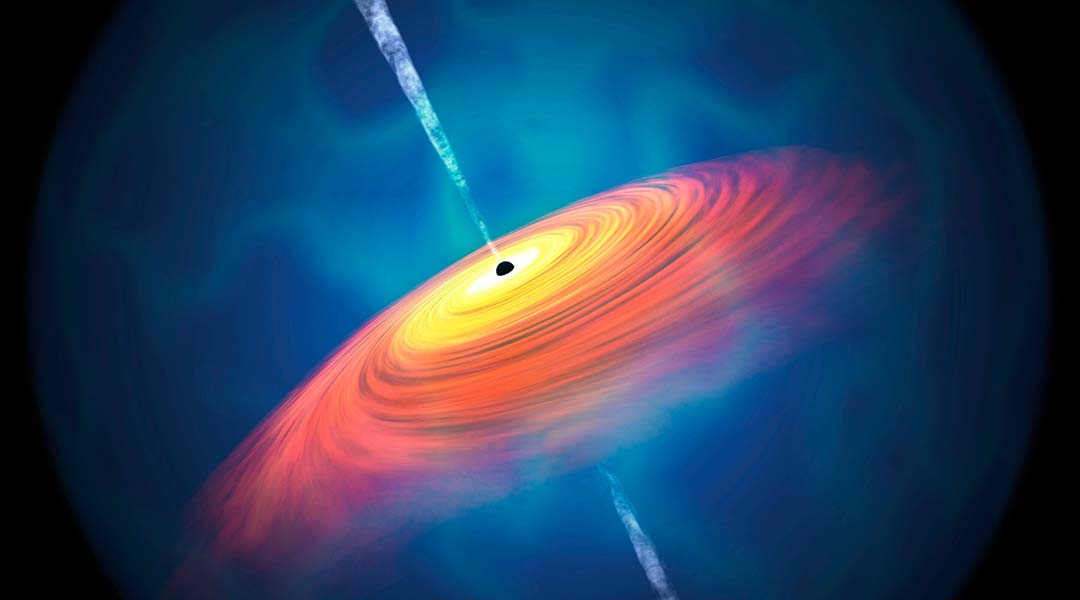
Scientists have only observed supermassive black holes one billion years after the Big Bang, but astrophysicists have now breached this barrier.

 Soy protein fuels the future of eco-friendly solid-state batteries
 Microneedles enable 98% smaller, cheaper artificial pancreas
 Machine learning identifies anti-aging neuroprotective treatments
 Quantum router preserving delicate photon states may advance quantum technologies
 Teaching machines to quiet the noise in quantum computers
 3D printed scaffolds bring artificial bone closer to reality